PCOS Symptoms And Treatment Options For Women

Women’s health is influenced by a complex balance of hormones that regulate various bodily functions, including menstrual cycles, fertility, metabolism, and overall well-being. PCOS Symptoms And Treatment Options For Women One of the most common hormonal disorders affecting women today is Polycystic Ovary Syndrome (PCOS). This condition impacts millions of women worldwide and can affect reproductive health, emotional well-being, and long-term physical health if left untreated.

At Anupama Hospital, we provide comprehensive healthcare services supported by experienced specialists and modern medical facilities. Along with women’s healthcare support, our hospital offers expert services in Neurology, ensuring complete healthcare solutions for every stage of life.

What is PCOS?

Polycystic Ovary Syndrome (PCOS) is a hormonal disorder that affects women during their reproductive years. It occurs when the ovaries produce higher-than-normal levels of androgens, commonly known as male hormones. This hormonal imbalance can interfere with ovulation, causing irregular menstrual cycles and a variety of other symptoms.

Despite its name, not all women with PCOS develop ovarian cysts. The condition varies from person to person and may affect fertility, metabolism, skin health, and emotional well-being.

Understanding PCOS Symptoms And Treatment Options For Women begins with recognizing the underlying hormonal changes that contribute to the condition.

Common Causes Of PCOS in Women

The exact cause of PCOS is not fully understood, but several factors are believed to contribute to its development.

Hormonal Imbalance

Women with PCOS often have elevated androgen levels, which can disrupt normal ovulation and menstrual cycles.

Insulin Resistance

Many women with PCOS experience insulin resistance, a condition where the body’s cells do not respond effectively to insulin. This can lead to increased insulin production, weight gain, and higher androgen levels.

Genetic Factors

PCOS often runs in families. Women with a family history of PCOS are more likely to develop the condition themselves.

Chronic Inflammation

Low-grade inflammation may stimulate the ovaries to produce more androgens, contributing to PCOS symptoms.

Lifestyle And Weight Factors

Excess body weight can worsen hormonal imbalances and increase the severity of PCOS symptoms, although women of all body types can develop the condition.

Recognizing PCOS Symptoms in Women

The symptoms of PCOS can vary significantly among individuals. Some women experience mild symptoms, while others face more severe health challenges.

Irregular Menstrual Cycles

One of the most common signs of PCOS is irregular or missed periods. Women may have fewer menstrual cycles per year or experience prolonged intervals between periods.

Excess Hair Growth

Higher androgen levels can cause unwanted hair growth on the face, chest, back, or abdomen.

Acne And Oily Skin

Persistent acne that continues beyond adolescence may be linked to hormonal imbalances associated with PCOS.

Weight Gain

Many women with PCOS find it difficult to lose weight and may experience weight gain, particularly around the abdominal area.

Hair Thinning

Some women notice thinning hair or hair loss on the scalp due to hormonal changes.

Difficulty Conceiving

Irregular ovulation can affect fertility, making it more difficult for women with PCOS to become pregnant.

Dark Skin Patches

Areas of darkened skin may develop around the neck, underarms, or groin, often associated with insulin resistance.

Mood Changes

Women with PCOS may experience anxiety, depression, mood swings, or emotional distress related to hormonal fluctuations and physical symptoms.

Recognizing these signs early is an important step in understanding PCOS Symptoms And Treatment Options For Women.

How PCOS Affects Overall Health

PCOS is more than just a reproductive condition. It can impact multiple aspects of a woman’s health and increase the risk of several long-term complications.

These may include:

  • Type 2 diabetes
  • High blood pressure
  • Heart disease
  • Sleep apnea
  • Infertility
  • Pregnancy complications
  • Metabolic syndrome
  • Depression and anxiety

Early diagnosis and proper management help reduce these risks and improve long-term health outcomes.

Diagnosis Of PCOS

Accurate diagnosis is essential for developing an effective treatment plan.

At Anupama Hospital, healthcare professionals evaluate symptoms and perform diagnostic tests to confirm the presence of PCOS.

Medical History Review

Doctors assess menstrual patterns, family history, weight changes, and other symptoms.

Physical Examination

A comprehensive examination may identify signs such as excess hair growth, acne, or weight-related concerns.

Blood Tests

Hormone testing helps evaluate androgen levels, insulin resistance, thyroid function, and other factors contributing to symptoms.

Ultrasound Imaging

Pelvic ultrasound examinations can help identify ovarian changes associated with PCOS.

A thorough evaluation allows healthcare providers to create personalized treatment plans based on each patient’s needs.

Effective PCOS Treatment Options For Women

Managing PCOS requires a combination of medical treatment, lifestyle modifications, and ongoing monitoring.

Lifestyle Changes

Lifestyle improvements are often the first step in managing PCOS symptoms.

These include:

  • Maintaining a balanced diet
  • Regular physical activity
  • Weight management
  • Adequate sleep
  • Stress reduction

Even modest weight loss can significantly improve hormone balance and menstrual regularity.

Medication Management

Doctors may prescribe medications to:

  • Regulate menstrual cycles
  • Improve insulin sensitivity
  • Reduce androgen levels
  • Support fertility goals
  • Manage acne and excessive hair growth

Treatment recommendations vary depending on individual symptoms and health objectives.

Fertility Support

For women trying to conceive, specialized fertility treatments may be recommended to encourage ovulation and improve pregnancy outcomes.

Mental Health Support

The emotional impact of PCOS should not be overlooked. Counseling and mental health support can help women manage anxiety, depression, and self-esteem challenges associated with the condition.

The Importance Of Early Treatment For PCOS

Many women delay seeking medical care because they assume irregular periods or weight fluctuations are normal. However, untreated PCOS can lead to long-term health complications.

Early intervention offers several benefits:

  • Better symptom control
  • Improved fertility outcomes
  • Reduced diabetes risk
  • Better cardiovascular health
  • Enhanced emotional well-being
  • Improved quality of life

The earlier treatment begins, the more effectively symptoms can be managed.

Comprehensive Healthcare Support At Anupama Hospital

At Anupama Hospital, we understand that PCOS affects multiple aspects of a woman’s Pulmonology . Our multidisciplinary healthcare approach allows patients to receive coordinated care from various medical departments.

General Medicine

Supports the management of metabolic and chronic health conditions associated with PCOS.

Critical Care

Provides advanced medical support when serious complications require specialized intervention.

Paediatrics

Offers healthcare guidance for adolescent girls experiencing early hormonal concerns.

Pulmonology

Assists women experiencing sleep-related breathing disorders associated with obesity and PCOS.

Psychiatry

Provides emotional and mental health support for anxiety, depression, and stress management.

Gastroenterology

Supports digestive health and nutritional concerns that may impact overall wellness.

Neurology

Evaluates neurological symptoms and headaches that may occur alongside hormonal disorders.

This integrated healthcare model ensures comprehensive support for women throughout their treatment journey.

Healthy Habits To Manage PCOS Naturally

While medical treatment is often necessary, healthy daily habits can significantly improve symptom control.

Consider the following lifestyle practices:

  • Eat a nutrient-rich diet
  • Exercise regularly
  • Limit processed foods
  • Maintain a healthy body weight
  • Stay hydrated
  • Get adequate sleep
  • Practice stress management techniques
  • Attend regular medical checkups

Consistency in these habits can improve hormonal balance and overall health.

Why Choose Anupama Hospital For PCOS Care?

At Anupama Hospital, we combine medical expertise, personalized treatment plans, and patient-focused care to help women effectively manage PCOS and its associated health concerns.

Our specialists are committed to delivering accurate diagnosis, advanced treatment options, and ongoing support tailored to each patient’s unique needs.

Through compassionate care and evidence-based treatment, we empower women to take control of their health and achieve long-term wellness.

Conclusion

If you are experiencing irregular periods, hormonal imbalances, fertility concerns, or other symptoms associated with PCOS, the expert healthcare team at Anupama Hospital is here to help.

Contact Anupama Hospital Today To Schedule A Consultation And Learn More About Effective PCOS Management And Women’s Healthcare Solutions.

High-Risk Pregnancy: Causes, Symptoms And Treatment

Pregnancy is one of the most significant journeys in a woman’s life. While many pregnancies progress without major complications, some require additional medical attention due to increased health risks for the mother, baby, or both. Critical Care Department These pregnancies are known as high-risk pregnancies and require specialized monitoring, early diagnosis, and expert medical management.

At Anupama Hospital, we provide comprehensive healthcare services supported by experienced specialists and advanced medical facilities. Along with pregnancy-related care, our hospital offers expert services in General Medicine, Critical Care, Paediatrics, Pulmonology, Psychiatry, Gastroenterology, and Neurology, ensuring complete healthcare support for mothers and families.

What is A High-Risk Pregnancy?

A high-risk pregnancy is a pregnancy in which the mother, baby, or both face an increased chance of health complications before, during, or after delivery. These risks may arise due to pre-existing medical conditions, pregnancy-related complications, lifestyle factors, or maternal age.

Being diagnosed with a high-risk pregnancy does not necessarily mean serious problems will occur. However, it does indicate the need for closer monitoring and specialized medical care throughout the pregnancy.

Regular prenatal checkups, diagnostic testing, and adherence to medical advice can significantly reduce risks and improve maternal and fetal health.

Common Causes Of High-Risk Pregnancy

Understanding the causes is the first step in managing High-Risk Pregnancy: Causes, Symptoms And Treatment effectively.

Maternal Age

Women younger than 17 years or older than 35 years may face increased pregnancy-related risks. General Medicine Services Advanced maternal age can raise the likelihood of conditions such as gestational diabetes, high blood pressure, and chromosomal abnormalities.

Pre-Existing Medical Conditions

Certain health conditions present before pregnancy can increase complications.

These include:

  • Diabetes
  • Hypertension
  • Heart disease
  • Kidney disorders
  • Thyroid problems
  • Autoimmune diseases

Proper management of these conditions is essential for maintaining a healthy pregnancy.

Multiple Pregnancy

Carrying twins, triplets, or more increases the risk of complications such as preterm birth, low birth weight, and pregnancy-induced hypertension.

Previous Pregnancy Complications

Women who have experienced complications in earlier pregnancies may have a higher risk of recurrence.

Examples include:

  • Premature birth
  • Recurrent miscarriages
  • Preeclampsia
  • Cesarean deliveries
  • Stillbirth history
Lifestyle Factors

Certain habits and environmental factors can contribute to a high-risk pregnancy.

These include:

  • Smoking
  • Alcohol consumption
  • Drug use
  • Poor nutrition
  • Excessive stress
  • Obesity

Maintaining a healthy lifestyle before and during pregnancy helps reduce potential risks.

Symptoms Of A High-Risk Pregnancy

Recognizing warning signs early is crucial for effective treatment and prevention of complications.

Women should seek immediate medical attention if they experience any of the following symptoms:

Severe Abdominal Pain

Persistent or severe abdominal pain may indicate pregnancy complications requiring urgent evaluation.

Heavy Vaginal Bleeding

Bleeding during pregnancy should never be ignored, especially when accompanied by pain or dizziness.

Severe Headaches

Frequent or intense headaches may be associated with high blood pressure or preeclampsia.

Blurred Vision

Vision changes such as blurred vision, flashing lights, or sensitivity to light may signal pregnancy-related complications.

Swelling Of Hands And Face

Sudden swelling may indicate elevated blood pressure and requires prompt medical assessment.

Reduced Fetal Movement

A noticeable decrease in the baby’s movements should always be reported to a healthcare provider.

Persistent Vomiting

Excessive nausea and vomiting can lead to dehydration and nutritional deficiencies.

Breathing Difficulties

Shortness of breath or chest discomfort may require immediate medical evaluation.

Understanding these symptoms is an important part of managing High-Risk Pregnancy: Causes, Symptoms And Treatment successfully.

Risk Factors Associated With High-Risk Pregnancy

Certain factors increase the likelihood of a pregnancy being classified as high-risk.

These include:

  • Age over 35 years
  • Teenage pregnancy
  • Obesity
  • High blood pressure
  • Diabetes
  • Multiple gestation
  • Family history of pregnancy complications
  • Previous pregnancy issues
  • Chronic illnesses

Women with one or more risk factors should consult healthcare providers early in pregnancy to establish appropriate monitoring plans.

Diagnosis And Monitoring Of High-Risk Pregnancy

Early diagnosis is one of the most important aspects of High-Risk Pregnancy: Causes, Symptoms And Treatment.

At Anupama Hospital, healthcare professionals use advanced diagnostic tools and regular prenatal assessments to monitor maternal and fetal health.

Prenatal Checkups

Routine prenatal visits help doctors track the progress of pregnancy and identify potential concerns early.

Ultrasound Examinations

Ultrasounds provide detailed information about fetal growth, development, and overall well-being.

Blood Tests

Blood tests help detect conditions such as anemia, infections, gestational diabetes, and hormonal imbalances.

Fetal Monitoring

Specialized monitoring techniques assess fetal heart rate and movement patterns to ensure the baby remains healthy.

Blood Pressure Monitoring

Regular blood pressure checks help identify pregnancy-related hypertension and preeclampsia.

Timely diagnosis allows healthcare providers to intervene early and minimize potential complications.

Treatment Options For High-Risk Pregnancy

The treatment approach depends on the specific risk factors and underlying causes affecting the pregnancy.

Specialized Prenatal Care

Women with high-risk pregnancies typically require more frequent prenatal visits and monitoring.

Medication Management

Certain conditions may require medications to control blood pressure, blood sugar levels, infections, or other medical concerns.

Nutritional Counseling

A balanced diet plays a critical role in maternal and fetal health. Healthcare providers may recommend personalized nutritional plans to support pregnancy.

Lifestyle Modifications

Doctors often advise:

  • Regular physical activity when appropriate
  • Adequate rest
  • Stress management
  • Avoidance of harmful substances
Hospital-Based Monitoring

In some cases, hospitalization may be necessary to closely monitor maternal and fetal health during advanced stages of pregnancy.

Delivery Planning

High-risk pregnancies often require carefully planned deliveries to ensure the safety of both mother and baby.

Specialists evaluate the most appropriate timing and method of delivery based on individual circumstances.

How Anupama Hospital Supports High-Risk Pregnancy Care

At Anupama Hospital, we believe every mother deserves personalized care throughout her pregnancy journey.

Our multidisciplinary healthcare approach allows us to manage complex pregnancies with the support of multiple specialties.

General Medicine

Supports the management of chronic health conditions affecting pregnancy.

Critical Care

Provides advanced medical support for severe pregnancy-related emergencies.

Paediatrics

Ensures specialized newborn care when additional support is required after delivery.

Pulmonology

Assists mothers experiencing respiratory complications during pregnancy.

Psychiatry

Offers emotional and mental health support during high-risk pregnancies.

Gastroenterology

Helps manage digestive disorders that may affect maternal health.

Neurology

Provides expert evaluation for neurological symptoms and pregnancy-related complications.

This integrated healthcare model ensures comprehensive care throughout pregnancy and beyond.

Tips For Managing A High-Risk Pregnancy

Women diagnosed with high-risk pregnancies can improve outcomes by following certain precautions:

  • Attend all prenatal appointments
  • Follow medical advice carefully
  • Maintain a nutritious diet
  • Stay physically active as recommended
  • Monitor symptoms closely
  • Avoid smoking and alcohol
  • Get adequate sleep
  • Manage stress effectively
  • Take prescribed medications regularly

Proactive healthcare management significantly contributes to safer pregnancies and healthier deliveries..

Why Early Medical Care Matters

One of the most important lessons in understanding High-Risk Pregnancy: Causes, Symptoms And Treatment is the value of early intervention. Prompt diagnosis, continuous monitoring, and specialized care help reduce complications and improve outcomes for both mother and baby.

Regular communication with healthcare providers ensures that concerns are addressed quickly and treatment plans remain effective throughout pregnancy.

Conclusion

If you are experiencing pregnancy-related complications or have been diagnosed with a high-risk pregnancy, trust the experienced healthcare team at Anupama Hospital for comprehensive medical care and expert guidance.

Contact Anupama Hospital Today To Schedule A Consultation And Receive Expert Care For High-Risk Pregnancy Management And Maternal Health Support.

Top 10 Reasons To Choose A Multi Speciality Hospital

Healthcare needs have become increasingly complex in today’s fast-paced world. Patients often require consultations from multiple specialists, advanced diagnostic services, and coordinated treatment plans to address various health concerns effectively.  gynecology and obstetrics department   Top 10 Reasons To Choose A Multi Speciality Hospital. This is where a multi speciality hospital plays a crucial role in delivering comprehensive and convenient healthcare under one roof.

At Anupama Hospital, we believe that integrated healthcare leads to better treatment outcomes and improved patient experiences. With specialized departments including General Medicine, Critical Care, Paediatrics, Pulmonology, Psychiatry, Gastroenterology, and Neurology, we provide complete healthcare solutions for individuals and families.

What Makes A Multi Speciality Hospital Different?

A multi speciality hospital brings together doctors from various medical disciplines, allowing patients to access comprehensive healthcare services without visiting multiple facilities. From routine checkups to advanced treatments and emergency care, every healthcare need can be addressed efficiently through a coordinated medical approach.

Unlike standalone clinics that focus on a single specialty, multi speciality hospitals offer a wide range of diagnostic, treatment, and rehabilitation services that work together to ensure holistic patient care.

Let’s explore the Top 10 Reasons To Choose A Multi Speciality Hospital for your healthcare needs.

Access To Multiple Medical Specialities Under One Roof

One of the biggest advantages of choosing a multi speciality hospital is the availability of diverse medical departments in a single location.

At Anupama Hospital, patients have access to:

  • General Medicine
  • Critical Care
  • Paediatrics
  • Pulmonology
  • Psychiatry
  • Gastroenterology
  • Neurology

This integrated approach eliminates the need to travel between different healthcare centers and ensures seamless treatment coordination.

Faster And Accurate Diagnosis

Timely diagnosis is essential for effective treatment. Multi speciality hospitals are equipped with advanced diagnostic facilities that support quick and accurate medical evaluations.

When multiple specialists collaborate, patients benefit from comprehensive assessments that help identify underlying health conditions more efficiently.

This reduces delays in treatment and improves overall patient outcomes.

Better Coordination Between Specialists

Many health conditions require the expertise of more than one specialist. A patient suffering from neurological complications, respiratory disorders, or digestive issues may need consultations across different departments.

In a multi speciality hospital, doctors work together to develop personalized treatment plans, ensuring that every aspect of a patient’s health is considered.

This collaborative approach minimizes treatment gaps and enhances recovery.

Advanced Critical Care And Emergency Services

Medical emergencies demand immediate attention and specialized care. One of the most important reasons among the Top 10 Reasons To Choose A Multi Speciality Hospital is access to advanced emergency and critical care facilities.

At Anupama Hospital, our Critical Care department is equipped to manage:

  • Medical emergencies
  • Trauma cases
  • Respiratory distress
  • Neurological emergencies
  • Intensive monitoring requirements

Having emergency services integrated with specialty departments allows faster intervention and improved patient safety.

Comprehensive Family Healthcare Solutions

Healthcare needs vary across different age groups. Children, adults, and senior citizens often require different types of medical care.

A multi speciality hospital provides comprehensive healthcare solutions for the entire family.

Our Paediatrics Department Surgery offers specialized care for infants and children, while other departments provide treatment for adult and elderly healthcare concerns.

Families benefit from continuity of care and easier access to medical records and consultations.

Importance Of Specialized Medical Departments

Modern healthcare relies heavily on specialty-focused treatment. Let’s look at some of the key departments available at Anupama Hospital.

General Medicine

General Medicine serves as the foundation of healthcare by diagnosing and managing common illnesses, chronic diseases, and preventive healthcare needs.

Pulmonology

Respiratory disorders such as asthma, chronic cough, and lung infections require expert evaluation and treatment. Pulmonology specialists provide advanced respiratory care for improved breathing health.

Gastroenterology

Digestive health is essential for overall wellness. Gastroenterology specialists diagnose and treat conditions affecting the digestive system, liver, pancreas, and gallbladder.

Neurology

Neurological conditions involving the brain, spinal cord, and nervous system require specialized care. Neurology departments provide expert diagnosis and treatment for complex neurological disorders.

Psychiatry

Mental health is equally important as physical health. Psychiatry specialists help patients manage emotional, behavioral, and psychological challenges through evidence-based care.

Advanced Medical Technology And Infrastructure

Another key reason among the Top 10 Reasons To Choose A Multi Speciality Hospital is access to state-of-the-art medical technology.

Modern hospitals invest in advanced diagnostic equipment, patient monitoring systems, and treatment technologies that improve accuracy and efficiency.

Benefits include:

  • Faster diagnosis
  • Better treatment planning
  • Improved patient safety
  • Enhanced treatment outcomes

At Anupama Hospital, we continuously upgrade our facilities to provide world-class healthcare services.

Personalized Treatment Plans

Every patient is unique, and healthcare should reflect individual needs. Multi speciality hospitals offer customized treatment plans that consider medical history, lifestyle, age, and overall health status.

Through collaboration among specialists, patients receive holistic care tailored specifically to their condition.

Personalized healthcare improves patient satisfaction and contributes to better long-term results.

Convenient Access To Diagnostic And Treatment Services

In a multi speciality hospital, diagnostic services, specialist consultations, pharmacy support, and treatment facilities are all available in one place.

This convenience helps patients:

  • Save time
  • Reduce travel expenses
  • Access quicker treatment
  • Improve healthcare coordination

The integrated healthcare model ensures a smoother patient experience from diagnosis to recovery.

Improved Continuity Of Care

Healthcare is not limited to a single consultation. Many medical conditions require long-term monitoring and follow-up care.

A multi speciality hospital maintains comprehensive medical records and enables seamless communication among departments.

This continuity helps specialists track patient progress, adjust treatments, and provide ongoing healthcare support.

For patients managing chronic illnesses, continuity of care plays a crucial role in achieving better health outcomes.

Better Patient Outcomes And Recovery

The final and perhaps most important reason among the Top 10 Reasons To Choose A Multi Speciality Hospital is improved treatment outcomes.

When patients receive coordinated care from multiple specialists supported by advanced technology and diagnostics, recovery becomes more effective.

Benefits include:

  • Early detection of complications
  • Comprehensive treatment planning
  • Reduced hospitalization time
  • Faster recovery
  • Improved quality of life

Integrated healthcare models consistently contribute to better patient experiences and clinical outcomes.

Why Choose Anupama Hospital For Comprehensive Healthcare?

At Anupama Hospital, we are committed to delivering patient-centered healthcare backed by medical expertise and advanced infrastructure.

Our multidisciplinary team works together to provide complete healthcare solutions across various specialties.

Whether you require routine consultations, emergency care, specialized treatment, or preventive health services, we strive to ensure the highest standards of medical excellence.

Explore More Healthcare Services

Understanding the Top 10 Reasons To Choose A Multi Speciality Hospital highlights the importance of integrated healthcare in today’s medical environment. From expert specialists and advanced diagnostics to coordinated treatment and improved patient outcomes, multi speciality hospitals offer significant advantages for individuals and families alike.

Choosing a trusted healthcare provider ensures access to comprehensive care whenever you need it most.

At Anupama Hospital, we combine medical expertise, advanced technology, and compassionate care to help patients achieve better health and long-term wellness.

Conclusion

Looking for comprehensive healthcare services from experienced specialists under one roof? Anupama Hospital is dedicated to providing exceptional patient care through our wide range of medical specialities and advanced treatment facilities.

Contact Anupama Hospital Today To Schedule An Appointment And Experience The Benefits Of Comprehensive Healthcare From A Trusted Multi Speciality Hospital.

Trauma Care Specialist Doctor in Kukatpally Hyderabad

When a traumatic injury occurs, every second matters. Immediate medical attention from an experienced Trauma Care Specialist Doctor in Kukatpally Hyderabad can significantly improve recovery outcomes and prevent life-threatening complications.  Neurology Services. Whether caused by road accidents, falls, sports injuries, workplace incidents, or sudden emergencies, trauma requires specialized medical expertise and a coordinated treatment approach.

Anupama Hospital is recognized for delivering prompt and comprehensive trauma care services to patients across Kukatpally and Hyderabad. With advanced emergency facilities, experienced specialists, and a multidisciplinary healthcare team, we provide complete trauma management from diagnosis and stabilization to recovery and rehabilitation.

Leading Trauma Care Services in Kukatpally, Hyderabad

Trauma care involves much more than emergency treatment. It requires rapid assessment, continuous monitoring, advanced diagnostics, specialist intervention, and personalized recovery plans.

At Anupama Hospital, our trauma specialists are trained to handle a wide range of medical emergencies, including:

  • Road traffic accident injuries
  • Head and brain trauma
  • Fractures and orthopedic injuries
  • Chest and abdominal injuries
  • Sports-related trauma
  • Workplace accidents
  • Soft tissue injuries
  • Neurological trauma
  • Multiple injury cases

As a trusted destination for a Trauma Care Specialist Doctor in Kukatpally, Hyderabad, we focus on delivering timely treatment that minimizes complications and promotes faster recovery.

Why Anupama Hospital is A Preferred Choice For Trauma Care

A successful trauma care program depends on quick response times, experienced doctors, and access to advanced medical technology. At Anupama Hospital,Critical Care Services we combine all these elements to provide comprehensive trauma management under one roof.

24/7 Emergency Medical Support

Traumatic injuries can happen at any time. Our emergency care team is available round-the-clock to provide immediate medical attention and critical intervention whenever needed.

Advanced Diagnostic Facilities

Accurate diagnosis is essential for identifying the severity of injuries. Our hospital is equipped with modern diagnostic tools that help specialists make informed treatment decisions without delay.

Multidisciplinary Treatment Approach

Trauma often affects multiple body systems simultaneously. Our specialists collaborate across departments to ensure comprehensive care and effective recovery planning.

Patient-Focused Care

Every patient receives personalized treatment based on the nature of their injury, overall health condition, and recovery goals.

Role Of A Trauma Care Specialist Doctor in Kukatpally Hyderabad

A Trauma Care Specialist Doctor in Kukatpally Hyderabad, plays a critical role in managing emergencies and coordinating treatment strategies for injured patients.

Their responsibilities include:

  • Emergency assessment and stabilization
  • Diagnosis of traumatic injuries
  • Coordination with specialty departments
  • Monitoring vital functions
  • Managing complications
  • Planning rehabilitation programs
  • Providing follow-up care

By combining clinical expertise with evidence-based treatment methods, trauma specialists help patients achieve the best possible outcomes.

Comprehensive Medical Specialties Supporting Trauma Care

One of the major advantages of choosing Anupama Hospital is access to multiple medical specialties that contribute to complete trauma management.

General Medicine

The General Medicine department supports trauma patients by managing underlying health conditions, monitoring recovery progress, and ensuring overall wellness during treatment.

Critical Care

Patients with severe injuries often require intensive care. Our Critical Care specialists provide advanced monitoring, life-support systems, and expert management for critically injured patients.

Paediatrics

Children require specialized trauma care tailored to their unique physiological needs. Our Paediatrics team offers expert treatment for pediatric emergencies and injuries.

Pulmonology

Trauma involving the chest or lungs may affect breathing and respiratory function. Our Pulmonology specialists provide advanced respiratory support and treatment.

Psychiatry

Traumatic events can have emotional and psychological consequences. Our Psychiatry department helps patients cope with anxiety, stress, and trauma-related mental health concerns.

Gastroenterology

Abdominal injuries often require specialized evaluation and treatment. Our Gastroenterology experts assist in diagnosing and managing trauma affecting digestive organs.

Neurology

Head injuries and nervous system trauma require immediate neurological assessment. Our Neurology department provides expert diagnosis and treatment for brain and spinal cord injuries.

Modern Trauma Management For Faster Recovery

Successful trauma treatment extends beyond emergency care. Recovery requires continuous monitoring, rehabilitation, and lifestyle guidance.

At Anupama Hospital, we create personalized recovery plans that address both physical and emotional healing.

Early Intervention And Treatment

Prompt treatment helps reduce complications and improve long-term recovery outcomes. Our specialists prioritize rapid stabilization and immediate medical intervention.

Personalized Rehabilitation Programs

Recovery from trauma varies from patient to patient. We develop customized rehabilitation strategies based on:

  • Injury severity
  • Age and overall health
  • Functional limitations
  • Lifestyle requirements
  • Long-term recovery goals
Continuous Follow-Up Care

Regular follow-up consultations allow our specialists to monitor progress, adjust treatment plans, and support ongoing recovery.

Advanced Healthcare Infrastructure At Anupama Hospital

As a trusted healthcare provider in Hyderabad, Anupama Hospital continually invests in modern medical technology and advanced healthcare infrastructure.

Our facilities include:

  • Fully equipped emergency department
  • Intensive Care Units
  • Advanced diagnostic imaging
  • Modern patient monitoring systems
  • Specialized consultation rooms
  • Dedicated inpatient services

This infrastructure enables our healthcare professionals to deliver efficient and effective trauma care for patients with varying levels of injury severity.

Integrated Healthcare Services Under One Roof

One of the key reasons families choose Trauma Care Specialist Doctor in Kukatpally Hyderabad is the convenience of accessing multiple healthcare services in a single location.

Patients can benefit from coordinated care through our various departments and specialty services..

Why Patients Trust Anupama Hospital

Over the years, Anupama Hospital has earned the trust of patients through its commitment to quality healthcare and compassionate treatment.

Patients choose us because we offer:

  • Experienced trauma specialists
  • Rapid emergency response
  • Comprehensive medical support
  • Advanced treatment facilities
  • Personalized care plans
  • Ethical medical practices
  • Continuous patient monitoring

Our focus remains on providing the highest level of medical care while ensuring comfort, confidence, and peace of mind for patients and their families.

Choose Expert Trauma Care in Kukatpally Hyderabad

Trauma situations require immediate medical attention from qualified specialists who understand the complexities of emergency care. Delayed treatment can increase the risk of complications and prolong recovery.

At Anupama Hospital, our dedicated trauma care team works tirelessly to provide accurate diagnosis, effective treatment, and comprehensive recovery support for every patient.

Whether you require emergency intervention, critical care management, or long-term rehabilitation guidance, our specialists are committed to helping you achieve the best possible health outcomes.

Conclusion

If you are searching for a trusted Trauma Care Specialist Doctor in Kukatpally Hyderabad, Anupama Hospital is here to provide expert medical care when you need it most..

Contact Anupama Hospital Today To Schedule A Consultation Or Learn More About Our Specialized Trauma Care Services.

Best Family Hospital in Kukatpally Hyderabad

Healthcare is one of the most important aspects of a family’s well-being. Choosing a reliable hospital that offers comprehensive medical services under one roof ensures timely treatment, accurate diagnosis, and continuous care for every family member. If you are looking for the Best Family Hospital in Kukatpally Hyderabad, Anupama Hospital stands as a trusted healthcare destination known for its excellence in patient care, advanced medical facilities, and experienced healthcare professionals.

At Anupama Hospital, we understand that every family has unique healthcare needs. From preventive care and routine health checkups to specialized treatments and emergency services, Gastroenterology Services. We provide personalized healthcare solutions designed to improve the quality of life for patients of all ages. Our commitment to delivering compassionate and high-quality healthcare has made us a preferred choice among families in Kukatpally and surrounding areas.

Why Choose Anupama Hospital as The Best Family Hospital in Kukatpally Hyderabad?

A family hospital should offer more than just medical treatment. It should provide comprehensive healthcare support, modern facilities, experienced doctors, and a patient-centered approach that ensures comfort and confidence throughout the treatment journey.

Anupama Hospital is recognized as the Best Family Hospital in Kukatpally Hyderabad because we focus on delivering holistic healthcare services tailored to the needs of every patient. Whether it is a child requiring pediatric care, an adult managing a chronic condition, or an elderly family member needing specialized attention, our multidisciplinary team is equipped to provide exceptional medical support.

Key Reasons Families Trust Anupama Hospital
  • Experienced team of doctors and specialists
  • Advanced diagnostic and treatment facilities
  • Comprehensive healthcare services under one roof
  • Personalized patient care
  • Modern infrastructure and medical technology
  • Emergency and critical care services
  • Affordable healthcare solutions
  • Focus on patient safety and comfort

Our mission is to provide accessible, reliable, and quality healthcare for individuals and families throughout Hyderabad.

Comprehensive Medical Specialities At Anupama Hospital

As the Best Family Hospital in Kukatpally Hyderabad, Anupama Hospital offers a wide range of medical specialities to ensure complete healthcare coverage for patients across all age groups.

General Medicine

Our General Medicine department provides diagnosis, treatment, and preventive care for a variety of common and chronic health conditions. Experienced physicians offer comprehensive consultations and personalized treatment plans to help patients maintain optimal health.

Whether you need routine health evaluations or management of chronic illnesses such as diabetes and hypertension, our General Medicine specialists are committed to delivering effective healthcare solutions.

Critical Care

Medical emergencies require immediate attention and expert intervention. Our Critical Care unit is equipped with advanced life-support systems and monitoring technologies to provide intensive care for critically ill patients.

The highly trained critical care team works around the clock to ensure the best possible outcomes during medical emergencies.

Paediatrics

Children require specialized healthcare tailored to their developmental needs. Our Paediatrics department provides preventive care, vaccinations, diagnosis, and treatment for infants, children, and adolescents.

We focus on promoting healthy growth and development while offering compassionate care in a child-friendly environment.

Pulmonology

Respiratory health plays a vital role in overall wellness. Our Pulmonology specialists diagnose and manage a wide range of lung and breathing disorders, including asthma, chronic cough, respiratory infections, and chronic obstructive pulmonary disease (COPD).

Patients receive advanced diagnostic evaluations and customized treatment plans to improve respiratory function and quality of life.

Psychiatry

Mental and emotional well-being are essential components of overall health. Our Psychiatry department offers professional support for various mental health concerns, including anxiety, depression, stress-related disorders, and behavioral conditions.

Our specialists provide confidential, compassionate, and evidence-based mental healthcare services for individuals and families.

Gastroenterology

Digestive health issues can significantly affect daily life. The Gastroenterology department at Anupama Hospital specializes in diagnosing and treating conditions affecting the digestive tract, liver, pancreas, and gallbladder.

From acid reflux and gastritis to complex gastrointestinal disorders, our specialists provide comprehensive care using advanced diagnostic techniques.

Neurology

Neurological disorders require specialized expertise and precision care. Our Neurology department focuses on diagnosing and treating conditions affecting the brain, spinal cord, and nervous system.

We provide expert management for headaches, epilepsy, stroke, neuropathy, and other neurological conditions to help patients achieve improved health outcomes.

Advanced Healthcare Facilities For Every Family Member

One of the reasons why Anupama Hospital is regarded as the Best Family Hospital in Kukatpally Hyderabad is our commitment to providing advanced healthcare facilities and modern medical technology.

Our infrastructure is designed to ensure patient comfort, safety, and convenience while supporting accurate diagnosis and effective treatment.

State-Of-The-Art Diagnostic Services

Accurate diagnosis is the foundation of effective treatment. We offer advanced diagnostic services, including:

  • Laboratory testing
  • Digital imaging
  • Ultrasound services
  • Health screenings
  • Preventive health checkups

These services enable our specialists to identify medical conditions early and create personalized treatment plans.

Patient-Centric Healthcare Approach

Every patient receives individualized attention and care. We believe in clear communication, patient education, and collaborative decision-making to ensure patients and their families feel informed and confident throughout their healthcare journey.

Preventive Healthcare And Wellness Programs

At Anupama Hospital, we emphasize preventive healthcare to help families maintain long-term wellness. Regular health checkups and early detection play a crucial role in preventing serious medical conditions.

Our preventive healthcare programs include:

  • Routine health screenings
  • Vaccination programs
  • Chronic disease management
  • Lifestyle counseling
  • Nutritional guidance
  • Wellness assessments

By focusing on prevention, we help patients reduce health risks and improve overall quality of life.

Comprehensive Family Healthcare Services Under One Roof

Managing healthcare becomes easier when all essential medical services are available in one location. As the Best Family Hospital in Kukatpally Hyderabad, Anupama Hospital offers integrated healthcare services that simplify treatment and follow-up care.

Families can access multiple specialties, diagnostic services, consultations, and treatment plans without the need to visit multiple healthcare facilities.

Experienced Medical Professionals Dedicated To Your Health

Our team of experienced doctors, nurses, technicians, and support staff work together to provide exceptional healthcare services. Each specialist brings extensive clinical expertise and a commitment to patient-centered care.

At Anupama Hospital, we continuously invest in medical education, advanced technology, and quality improvement initiatives to ensure our patients receive the highest standards of healthcare.

Our multidisciplinary approach enables seamless coordination between departments, resulting in more accurate diagnoses and effective treatment outcomes.

Why Families in Kukatpally Prefer Anupama Hospital

Families across Kukatpally and Hyderabad trust Anupama Hospital because of our dedication to healthcare excellence. We strive to create a welcoming environment where patients feel comfortable, respected, and supported.

Our Commitment Includes
  • Compassionate patient care
  • Advanced medical technology
  • Skilled healthcare professionals
  • Comprehensive specialty services
  • Transparent treatment plans
  • Timely medical support
  • Continuous quality improvement

By combining medical expertise with personalized care, we continue to serve as a trusted healthcare partner for families throughout the region.

Conclusion

If you are searching for the Best Family Hospital in Kukatpally Hyderabad, choose Anupama Hospital for comprehensive healthcare, expert medical specialists, and patient-focused treatment solutions.

Contact Anupama Hospital Today To Schedule An Appointment And Experience Quality Healthcare From One Of The Most Trusted Family Hospitals in Kukatpalily Hyderabad.


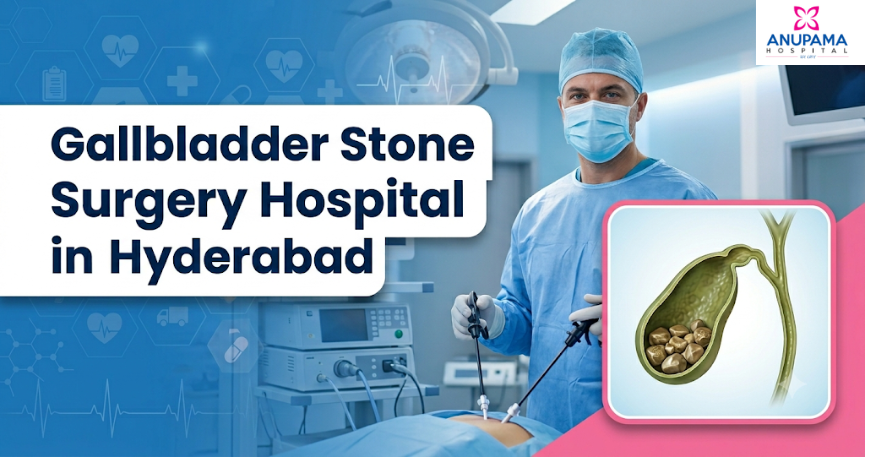
Gallbladder Stone Surgery Hospital in Hyderabad

Gallbladder stones are a common health condition that can cause severe abdominal pain, digestive discomfort, nausea, and other complications if left untreated. When medication and lifestyle modifications fail to provide relief, surgery becomes the most effective treatment option. If you are searching for a trusted Gallbladder Stone Surgery Hospital in Hyderabad, Anupama Hospital offers advanced surgical care, experienced specialists, and state-of-the-art facilities to ensure safe and effective treatment.

At Anupama Hospital, we are committed to delivering comprehensive healthcare services with a patient-centric approach. Our highly skilled medical team specializes in diagnosing and treating gallbladder disorders using Modern laparoscopic surgical techniques that promote faster recovery and minimal discomfort.

Why Choose Anupama Hospital For Gallbladder Stone Surgery in Hyderabad?

Choosing the right hospital is essential for successful treatment outcomes. Anupama Hospital has established itself as a leading Gallbladder Stone Surgery Hospital in Hyderabad by providing high-quality medical care, advanced surgical procedures, and personalized treatment plans.

Our hospital is equipped with modern operation theatres, advanced diagnostic technology, and a dedicated team of healthcare professionals who prioritize patient safety and comfort throughout the treatment journey.

Key Benefits Of Choosing Anupama Hospital
  • Experienced laparoscopic surgeons
  • Advanced diagnostic and surgical facilities
  • Personalized treatment plans
  • Comprehensive pre-operative and post-operative care
  • Affordable treatment options
  • Patient-focused healthcare approach
  • High standards of safety and hygiene

Our goal is to help patients recover quickly and return to their normal lives with improved health and well-being.

Understanding Gallbladder Stones And Their Symptoms

Gallbladder stones, also known as gallstones, are hardened deposits that develop in the gallbladder. These stones can vary in size and may block the bile ducts, causing significant discomfort and complications.

Common symptoms of gallbladder stones include:

  • Severe abdominal pain, especially in the upper right abdomen
  • Nausea and vomiting
  • Indigestion and bloating
  • Pain after consuming fatty foods
  • Fever and chills in severe cases
  • Jaundice caused by bile duct obstruction

If you experience any of these symptoms, it is important to seek medical attention promptly. Early diagnosis and treatment can prevent serious complications and improve treatment outcomes.

Advanced Gallbladder Stone Surgery in Hyderabad

At Anupama Hospital, we specialize in minimally invasive laparoscopic gallbladder stone surgery, also known as laparoscopic cholecystectomy. This advanced procedure involves removing the gallbladder through small incisions, reducing pain, scarring, and recovery time.

Benefits Of Laparoscopic Gallbladder Surgery
  • Smaller incisions
  • Minimal blood loss
  • Reduced post-operative pain
  • Shorter hospital stay
  • Faster recovery
  • Lower risk of complications
  • Quicker return to daily activities

Our surgical team carefully evaluates each patient’s condition before recommending the most appropriate treatment approach. We focus on delivering safe and effective outcomes while ensuring patient comfort throughout the process.

Comprehensive Medical Specialities At Anupama Hospital

Apart from being a trusted Gallbladder Stone Surgery Hospital in Hyderabad, Anupama Hospital offers a wide range of medical specialities to address diverse healthcare needs.

General Medicine

Our General Medicine department provides comprehensive diagnosis and treatment for various acute and chronic health conditions, ensuring complete healthcare support for patients of all ages.

Critical Care

The Critical Care unit is equipped with advanced life-support systems and highly trained specialists to manage medical emergencies and critically ill patients with precision and expertise.

Paediatrics

Our Paediatrics department offers specialized healthcare services for infants, children, and adolescents, focusing on preventive care and effective treatment solutions.

Pulmonology

The Pulmonology department diagnoses and treats respiratory conditions, including asthma, chronic obstructive pulmonary disease, lung infections, and sleep-related breathing disorders.

Psychiatry

Mental health plays a crucial role in overall wellness. Our Psychiatry specialists provide professional support for emotional, psychological, and behavioral health concerns.

Gastroenterology

Our Gastroenterology department specializes in diagnosing and treating digestive system disorders, including gallbladder diseases, liver conditions, acid reflux, and intestinal disorders.

Neurology

The Neurology department provides expert care for disorders affecting the brain, spinal cord, and nervous system, helping patients achieve better neurological health.

Expert Diagnosis And Personalized Treatment Plans

At Anupama Hospital, every patient receives personalized attention and customized treatment plans based on their individual health condition. Our specialists conduct thorough evaluations using advanced diagnostic techniques such as:

  • Ultrasound imaging
  • CT scans
  • Blood tests
  • Liver function tests
  • Endoscopic procedures when required

Accurate diagnosis allows us to determine the severity of gallbladder disease and recommend the most suitable treatment approach.

For digestive health concerns, patients can also explore our Gastroenterology Services page..

What To Expect During Gallbladder Stone Surgery

Understanding the surgical process can help patients feel more confident and prepared for treatment.

Before Surgery
  • Detailed medical evaluation
  • Diagnostic testing
  • Pre-operative counseling
  • Dietary and medication instructions
During Surgery

Laparoscopic gallbladder surgery is performed under general anesthesia. Small incisions are made to insert specialized instruments and a camera, allowing the surgeon to remove the gallbladder safely and efficiently.

After Surgery
  • Monitoring in the recovery area
  • Pain management support
  • Post-operative care instructions
  • Follow-up consultations

Most patients can resume normal activities within a few days, depending on their overall health and recovery progress.

Why Hyderabad Patients Trust Anupama Hospital

As a leading Gallbladder Stone Surgery Hospital in Hyderabad, Anupama Hospital is dedicated to delivering exceptional healthcare services through advanced medical technology, experienced specialists, and compassionate patient care.

Patients across Hyderabad choose us because of:

  • Proven surgical expertise
  • Modern healthcare infrastructure
  • Comprehensive medical specialities
  • Patient-first treatment philosophy
  • Affordable healthcare solutions
  • Excellent post-operative support

Our commitment to quality healthcare has made us a preferred destination for gallbladder stone treatment and other specialized medical services.

Conclusion

If you are experiencing symptoms of gallbladder stones or have been advised to undergo surgery, trust the experts at Anupama Hospital, the preferred Gallbladder Stone Surgery Hospital in Hyderabad.

Contact Anupama Hospital Today To Schedule Your Consultation And Take The First Step Toward Safe, Effective Gallbladder Stone Treatment.

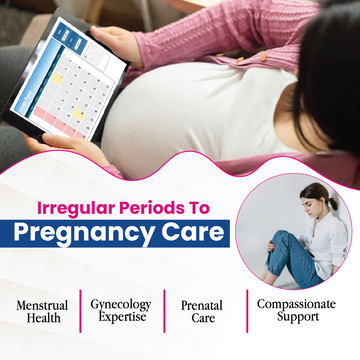
Pregnant woman tracking menstrual calendar — irregular periods to pregnancy care at Anupama Hospitals

Irregular Periods to Pregnancy Care: A Complete Guide

For many women, the path to motherhood does not begin in a delivery room. It often begins with a missed cycle, an unpredictable bleed, or months of quiet worry. The journey from irregular periods to pregnancy care is rarely linear, and it deserves expert hands and a kind ear at every turn. At Anupama Hospitals, we have walked beside generations of women — from that very first menstrual concern to the joyful moment a newborn takes their first breath.

In this guide, we explain how irregular cycles affect fertility, why early gynecological evaluation matters, and what truly compassionate prenatal care looks like in practice.

Understanding Irregular Periods: When Should You Be Concerned?

A typical menstrual cycle lasts between 21 and 35 days. However, when periods arrive too early, too late, or skip entirely, your body may be signaling something deeper. Many women dismiss these signs as “just stress.” Yet irregular periods can quietly affect ovulation, fertility, and long-term hormonal health.

Common causes of irregular periods

Several factors contribute to menstrual irregularity. The most common include:

  • Polycystic Ovary Syndrome (PCOS) — a hormonal disorder affecting roughly one in ten women of reproductive age
  • Thyroid imbalances that disrupt the body’s hormone rhythm
  • Stress and lifestyle factors, including poor sleep and irregular meals
  • Sudden weight gain or loss, or excessive physical training
  • Uterine fibroids and endometriosis, which often cause heavy or painful bleeding

Occasional irregularity is normal. However, when changes persist for three cycles or more, medical attention is wise. Early diagnosis often prevents bigger complications later.

Why Menstrual Health Matters for Future Pregnancy

Healthy menstrual cycles are one of the strongest indicators of healthy ovulation. Therefore, women planning a future pregnancy should pay close attention to cycle length, flow patterns, and unusual symptoms. In fact, irregular ovulation remains one of the leading causes of infertility — yet it is also one of the most treatable when caught early.

Beyond fertility, balanced hormones support emotional wellness, steady energy, and clear skin. By taking menstrual concerns seriously today, you lay a stronger foundation for tomorrow’s pregnancy.

Gynecology Expertise: Diagnosis Built on Listening

At Anupama Hospitals, our gynecology team brings decades of experience to women’s reproductive care. We believe every woman deserves answers — not just symptom management. Therefore, our diagnostic process is thorough, personalized, and rooted in modern evidence-based medicine.

Comprehensive evaluation

When a patient visits us with menstrual concerns, we typically begin with:

  • A detailed medical, family, and lifestyle history
  • Pelvic ultrasound to examine the uterus and ovaries
  • Hormonal blood tests including thyroid, FSH, LH, prolactin, and AMH
  • Targeted screening for PCOS, fibroids, and other reproductive conditions

Treatment tailored to you

Once we understand the root cause, we design a personalized treatment plan. Options may include lifestyle counseling, hormonal therapy, ovulation induction, or — in selected cases — minimally invasive surgical procedures. Additionally, our team supports patients with nutrition guidance and stress management. True healing, after all, extends well beyond medication.

From Conception to Prenatal Care

Once cycles stabilize and conception happens, the next chapter begins. Pregnancy is a remarkable yet demanding journey, and proactive prenatal care plays a crucial role in protecting both mother and baby.

Preparing your body for pregnancy

Pre-conception planning is often overlooked, yet it shapes the entire pregnancy. We encourage women considering conception to schedule a pre-pregnancy consultation. During this visit, we typically review:

  • Folic acid and prenatal vitamin needs
  • Vaccination status, including rubella and tetanus
  • Existing conditions such as diabetes, thyroid disease, or hypertension
  • Genetic screening when family history suggests a need

Prenatal care milestones

Once pregnancy is confirmed, regular check-ups become essential. Our prenatal program includes:

  • First trimester: confirmation scans, dating ultrasound, and baseline blood work
  • Second trimester: the detailed anomaly scan, glucose screening, and growth monitoring
  • Third trimester: weekly visits, fetal well-being tests, and a clear delivery plan

Throughout pregnancy, our obstetricians remain available for both routine visits and unexpected concerns. Moreover, our hospital is equipped with modern labor and delivery suites, a neonatal intensive care unit, and round-the-clock obstetric support.

Compassionate Support at Every Step

Medical excellence alone is not enough. The journey from irregular periods to pregnancy care can feel emotionally overwhelming, especially for women facing fertility challenges or repeated losses. At Anupama Hospitals, compassion is not a buzzword. It is woven into how we listen, how we explain, and how we reassure.

Our care philosophy emphasizes:

  • Patient-centered conversations that respect your questions and fears
  • Counseling support for anxiety, grief, and postpartum concerns
  • Family involvement so partners and loved ones feel informed and included
  • Cultural sensitivity that honors each woman’s background and beliefs

Many of our patients describe their experience as feeling “truly heard.” That, we believe, is the heart of good medicine.

When to Visit Anupama Hospitals

Knowing when to seek help is half the battle. Consider booking a gynecology consultation if you experience any of the following:

  • Periods that arrive less often than every 35 days or more often than every 21 days
  • Heavy bleeding that soaks through a pad or tampon every hour
  • Severe pelvic pain during or between periods
  • Difficulty conceiving after 12 months of trying — or 6 months if you are over 35
  • A confirmed pregnancy with no prenatal plan in place

Early intervention saves time, reduces complications, and brings real peace of mind.

A Trusted Partner Since 1975

Established in 1975, Anupama Hospitals has cared for generations of families across Hyderabad. With branches in Kukatpally and Vivekanandanagar, we combine the warmth of a community hospital with the technology of a modern multispecialty center. Our gynecology and obstetrics department is staffed by experienced consultants and supported by neonatologists, anesthetists, and dedicated nursing teams — all committed to your safety, dignity, and comfort.

Whether you are tracking a worrying cycle, planning your first pregnancy, or seeking a second opinion, we warmly welcome you.

Frequently Asked Questions

1. Can irregular periods affect my chances of getting pregnant?
Yes, irregular periods often indicate inconsistent ovulation, which can make conception harder. However, most underlying causes — such as PCOS or thyroid imbalance — respond well to treatment, and many women conceive naturally after care.

2. How soon should I see a gynecologist after noticing irregular cycles?
If your cycles remain irregular for three months in a row, or if you have heavy bleeding or severe pain, consult a gynecologist promptly. Early evaluation prevents the issue from worsening.

3. What is the difference between pre-conception care and prenatal care?
Pre-conception care prepares your body before pregnancy through nutrition, screenings, and treating existing conditions. Prenatal care begins after conception and focuses on monitoring mother and baby until delivery.

4. Do I need any special tests if I have PCOS and want to conceive?
Yes. Your doctor will usually recommend hormonal blood tests, a pelvic ultrasound, and ovulation tracking. Lifestyle changes and ovulation-supporting medications often help significantly.

5. Does Anupama Hospitals offer both gynecology and obstetric services?
Absolutely. Our team handles the full spectrum of women’s health — from menstrual concerns and fertility evaluation to high-risk pregnancy management, delivery, and postnatal care.

Conclusion: Your Journey, Our Commitment

Every woman’s reproductive story is unique. Some begin with regular cycles and easy conception, while others navigate years of uncertainty before holding their baby. Wherever you stand on this path, remember that help is closer than you think. The journey from irregular periods to pregnancy care is best traveled with experts who blend clinical skill with genuine compassion.

To book a consultation with our gynecology specialists, call Anupama Hospitals today or visit anupamahospitals.com. Your health, your hopes, and your future deserve the very best care.

top reasons why anupama is the best gynecology hospital

Top Reasons Why Anupama Hospital is the Best Gynecology Hospital in Hyderabad

Why Anupama Hospital is the Best Gynecology Hospital in Hyderabad?

Choosing the right hospital for women’s health is one of the most important decisions you can make. Whether you need pregnancy care, gynecological treatment, or routine check-ups, you deserve a place that combines expertise, compassion, and comfort. Anupama Hospital stands out as the Best gynecology hospital in Hyderabad, offering five decades of trusted care, expert lady doctors, and advanced medical facilities. In this blog, we explore the top reasons why thousands of women across Hyderabad choose Anupama Hospital for their gynecology and obstetrics needs.

1. Over Five Decades of Trusted Women’s Healthcare

Anupama Hospital began its journey in 1975 as Anitha Nursing Home in Balanagar. Today, it has grown into a leading multispecialty hospital with branches in Kukatpally and Vivekanandanagar. Moreover, with over 50 years of experience, the hospital has earned the trust of generations of families. As a result, it has become a household name for women’s health in Hyderabad.

This long-standing legacy speaks volumes about quality and consistency. Furthermore, the hospital continues to evolve with modern technology while preserving its core values of compassionate care.

2. Expert Team of Lady Gynecologists and Obstetricians

One of the strongest reasons Anupama is the best gynecology hospital in Hyderabad is its expert team. The hospital has highly experienced lady gynecologists and obstetricians who specialize in every stage of women’s health. From puberty to menopause, these doctors offer expert guidance and treatment.

In addition, our specialists are trained in handling high-risk pregnancies, complex surgeries, and advanced laparoscopic procedures. They take time to listen, explain options clearly, and build trust with every patient. Therefore, women feel comfortable discussing sensitive issues openly.

Many patients have shared positive feedback about the empathetic approach of our lady doctors. Consequently, this earns Anupama Hospital its reputation as a top destination for women’s care.

3. Comprehensive Range of Gynecology and Obstetrics Services

At Anupama Hospital, we provide a complete range of services under one roof. Our gynecology and obstetrics department covers everything you need.

Pregnancy and Maternity Care

Expecting mothers receive end-to-end support throughout their journey. From pre-conception counseling and antenatal check-ups to safe delivery and postnatal care, we handle every step. Additionally, we manage high-risk pregnancies with advanced monitoring.

Gynecological Surgeries and Treatments

We perform a wide range of procedures including laparoscopic surgeries, hysterectomy, fibroid removal, and ovarian cyst treatment. Furthermore, our laparoscopic specialists ensure minimal scarring and faster recovery times.

Adolescent and Menopausal Care

We also support women through hormonal changes, period problems, PCOS treatment, and menopause management. Hence, women of all ages find comprehensive care here.

4. Advanced Medical Technology and Modern Infrastructure

The best gynecology hospital in Hyderabad must combine skilled doctors with modern equipment. At Anupama, we invest in the latest medical technology to ensure accurate diagnosis and effective treatment. For instance, our facilities include advanced ultrasound, fetal monitoring systems, and modular operation theatres.

In addition, our labour rooms are equipped with all essential tools for safe delivery. The hospital also features clean wards, modern recovery rooms, and full NICU support. As a result, mothers and babies receive the highest standard of care during their stay.

5. Patient-Centered Care That Puts You First

What truly makes Anupama Hospital different is its people-first approach. Every patient is treated with respect, dignity, and personal attention. Moreover, our nursing team provides compassionate support around the clock.

From the moment you arrive until your discharge, our staff guides you through every step. Besides, we maintain strict hygiene standards and infection control protocols. Therefore, you can focus on healing while we take care of the rest.

Many of our patients return for years and recommend us to their families. Consequently, this loyalty reflects the strength of our patient relationships.

6. Two Convenient Locations with 24/7 Availability

Accessibility matters when it comes to women’s health emergencies. Fortunately, Anupama Hospital has two well-located branches in Kukatpally and Vivekanandanagar. Both branches are open 24 hours, seven days a week.

Whether you need an emergency delivery, urgent gynecological care, or a planned consultation, help is always close by. Furthermore, our emergency team is ready to respond at any hour. As a result, families across Hyderabad enjoy peace of mind knowing reliable care is just minutes away.

7. Affordable Care with Insurance and Aarogyasri Support

Quality healthcare should not be a financial burden. At Anupama Hospital, we offer transparent pricing and accept most major health insurance plans. Additionally, we are empanelled with Aarogyasri and other government schemes to support deserving patients.

Our billing team helps you understand coverage, file claims, and avoid surprises. Hence, you can focus on treatment without worrying about paperwork. To learn more, visit our insurance services page.

8. Trusted by Thousands of Happy Patients

Patient reviews speak louder than any marketing claim. Across Google, our patients consistently praise our doctors, staff, and facilities. For example, women appreciate our clean environment, friendly staff, and experienced gynecology doctors. They also feel comfortable discussing their personal health issues openly.

Such consistent feedback shows why Anupama Hospital is the best gynecology hospital in Hyderabad. In short, it is a place where medical excellence meets human kindness.

Frequently Asked Questions

What gynecology services does Anupama Hospital offer?

We provide pregnancy care, normal and cesarean deliveries, laparoscopic surgeries, PCOS treatment, infertility evaluation, menopause care, and more under one roof.

Does Anupama Hospital have lady gynecologists?

Yes, we have experienced lady gynecologists available for consultations, deliveries, and surgical procedures. Many women prefer them for greater comfort.

Is Anupama Hospital open on weekends and holidays?

Yes, our hospital operates 24 hours a day, every day of the year, including weekends and public holidays.

Do you accept health insurance and Aarogyasri?

Yes, we accept most major health insurance plans. We are also empanelled with Aarogyasri to make quality care accessible.

Book Your Consultation Today

Your health deserves nothing less than the best. If you are searching for the Best gynecology hospital in Hyderabad, Anupama Hospital is ready to support you at every stage of life.
Call us today at +91 93929 00481 or book an appointment online.
Take the first step toward expert, compassionate, and modern women’s healthcare.

Best gynecologist hospital in kukatpally

Best Gynecologist In Kukatpally

Best Gynecologist in Kukatpally 

Your Ultimate Guide To The Best Gynecologist In Kukatpally

The female reproductive system is indeed a complex and intricately designed part of the human body. It plays a crucial role in fertility, hormonal regulation, and overall health. These concerns may include but are not limited to issues such as abnormal white discharge, vaginal infections, urinary tract infections (UTIs), sexually transmitted diseases (STDs), and family planning needs. If you are experiencing any of these issues or have questions about your reproductive health, it is strongly recommended to schedule a consultation with the best gynecologist in Kukatpally.

Best Gynecologist Hospital Near Me in Kukatpally

How to choose Best Gynecologist Hospital near me in Kukatpally

Choosing the best gynecologist and hospital for your healthcare needs involves seeking referrals and recommendations from trusted sources, such as your primary care physician, friends, and family, to gauge the reputation and quality of care. Conduct thorough research on the gynecologist’s credentials and the hospital’s accreditation, ensuring they meet the necessary standards. Consider the hospital’s location and accessibility, favoring those convenient to reach, particularly in emergencies. Evaluate the hospital’s facilities, such as state-of-the-art equipment, labor and delivery rooms, and neonatal care, if needed. Confirm whether they accept your insurance and clarify all associated costs. Lastly, read patient reviews and testimonials to gain insights into others’ experiences, helping you make an informed decision. Anupama Hospital is one of the Best Gynecologist Hospital near me

Who are Gynecologists?

Gynecologists are doctors who focus on the health of women, especially the reproductive system. Obstetrics, which is the study of pregnancy and childbirth, menstruation and fertility problems, STIs, hormone disorders, and other things are just some of the things that they deal with.

When it comes to general health problems, some women would rather go to a well-woman center than their family doctor. After that, the doctor may send the patient to another expert. A good gynecologist has been trained for at least eight years and is licensed by a professional group.

A few quick facts about gynecologists:

  • These are some important facts about gynecologists.
  • A gynecologist is a doctor who focuses on taking care of pelvic and reproductive health.
  • A lot of women start going to a doctor when they are in their early teens, and they keep going to a gynecologist for general health problems as well.
  • Women should see a doctor once a year for a checkup and whenever they have signs that worry them.

What does a gynecologist do?

Gynecologists are doctors who specialize in the health of women. A doctor takes care of people who have female sexual parts, even if they don’t think of themselves as women. An obstetrician is a type of doctor who focuses on pregnancy and giving birth. First, someone has to become a doctor for four years. Then, they have to major in women and gynecology for another four years. They will be able to get recognized and licensed after passing another test.

When to go to a gynecologist

A woman should see a doctor once a year for a checkup and whenever she is worried about pelvic, vulvar, or vaginal pain or bleeding that doesn’t seem normal from the uterus.

Gynecologists often treat the following conditions:

  • problems with pregnancy, fertility, periods, and menopause; family planning, such as birth control, abortion, and ending a pregnancy; and problems with the ligaments and muscles that support the pelvic organs.
  • STIs and polycystic ovary syndrome
  • urine and fecal incontinence that is caused by noncancerous changes in the reproductive system, such as ovarian cysts, tumors, breast problems, vulvar and vaginal sores, and more
  • Precancerous conditions like uterine hyperplasia and cervical dysplasia can lead to cancers of the reproductive system and breasts, as well as tumors that form during pregnancy.
  • problems with the female reproductive system that happen at birth
  • Gynecology emergency care for endometriosis, a long-term disease that affects the reproductive system; pelvic inflammatory diseases, such as cysts; and sexuality, such as health problems related to gay and same-sex relationships.
  • problems with sex

How old do you need to be to see a gynecologist?

A woman or girl of any age may get care from a gynecologist. It is advised to begin gynecological visits between the ages of 13 and 15.

Getting to know her doctor makes it easier for a girl or woman to ask questions about things like periods, sexuality, and other topics. It also gives her a person to call if she starts to feel bad again.

Additionally, it provides the doctor with an opportunity to guide the long-term welfare of the lady by providing advice on significant health and lifestyle concerns.

What to anticipate

What takes place at the gynecologist’s office depends on the reason for the visit and the person’s condition.

When a young woman visits for the first time, she can only speak with the doctor, receive some basic health information, and learn what to anticipate going forward.

Whenever you see a gynecologist, keep the following in mind:

  • A candid description of your health issues and way of life helps the gynecologist better understand your condition and be of more assistance to you.
  • A reproductive checkup, which includes a pap smear, might be uncomfortable, but it doesn’t hurt very often.
  • Body odor is normal. The doctor needs to know if it means there is a problem.
  • If you are sick during the meeting time, you can still go, but it might be better to wait until a different time unless you have signs that need immediate care.
  • The person can ask to have someone with them during the visit, inside or outside the room.

Women should see a doctor at least once a year for a checkup. These will be included:

  • checking, judging, and giving advice
  • getting shots based on age and risk factors
  • A physical checkup will include checking the patient’s vital signs and body mass index, feeling the lymph nodes in the belly and groin, and judging their general health.
  • a vaginal exam and a breast exam, depending on how old the patient is
  • For a screening test, you might need to give blood or pee.
  • Going to a well-woman center on a regular basis helps a person stay up to date on how to live a healthy life and reduce health risks at all ages.
  • A mammogram, a colonoscopy, tracking of blood pressure, vaccinations, and advice about how much calcium and folic acid to take can also be part of a regular health checkup.

Conditions treated by the best gynecologist in Kukatpally

No matter if you want to start a family or grow an existing one, your reproductive health affects many parts of your life. Gynecologists try to understand your goals for having children and look out for your health. The following diseases and treatments are part of reproductive health:

GYNECOLOGY FOR Teenagers

Teenage gynecological care generally covers problems like heavy periods, blood that doesn’t make sense, birth control, vaginal infections, safe sex, and more. Our staff can make sure that teens are at ease and heard during their visit.

During this phase, young individuals experience significant hormonal changes, which can lead to various physical and emotional developments. Some common issues during this period include:

  • Breast pain
  • Abnormal vaginal discharge
  • Irregular or absent menstrual cycles
  • PCOD/PCOS (Polycystic Ovary Syndrome)
  • Adolescent endometriosis
  • Genital development disorders
  • Facial hair growth and acne due to hormonal imbalances

In addition to these physical changes, many psychosexual issues may arise as well. As hormones fluctuate and bodies undergo transformation, adolescents often become curious about the opposite sex, leading to numerous questions and concerns. In many cases, parents may not have all the answers.

This is where the opportunity to speak with a medical professional becomes most important. Young women can access accurate and reliable information from doctors who can explain the intricacies of their changing bodies and address psychosexual questions that may be difficult to discuss with parents. These office visits are fully confidential, providing a safe and supportive environment for open communication.

A good gynecologist ensures that both parents and teenagers are well informed about the physical changes occurring and the reasons behind them. This knowledge can help young individuals better understand the natural processes happening in their bodies and navigate this transformative journey with confidence and ease.

IRREGULAR periods

Gynecologists can help with a lot of different problems, such as bleeding outside of a usual monthly cycle, periods that last longer than 7–9 days, or bleeding during menopause.

Family planning

Birth control comes in many forms and works in different ways. Some examples are pills, shots, and devices that are inserted. We can help you figure out which type of birth control is best for your health and way of life.

UNABLE TO HAVE CHILDREN

About 15% of couples have trouble getting pregnant for a number of different reasons. Seeing an OB/GYN can help you figure out what’s wrong if you’ve been trying to get pregnant for 6 to 12 months without success.

PAIN IN THE TUBE

When a woman hasn’t had her period for a year, she has reached menopause. This is a big change that can often cause unpleasant symptoms. Gynecological care can help women get through this time in their lives.

ADVICE PRIOR TO CONCEPTION

It is important for women to talk to a doctor about any issues that might affect their pregnancy, even before they get a good pregnancy test. Gynecologists offer tests and health checks to help women get ready for a healthy, happy pregnancy.

STDs are sexually transmitted infections.

STIs are diseases that are spread from one person to another through sex. STIs can be checked for and treated

VARIO DISCHARGE

A lot of vaginal discharge is healthy and normal, but if a patient notices something that isn’t normal for them, they may want to talk to their doctor about it and get treatment.

Labor/Delivery:


The journey to motherhood is a unique and transformative experience, and a crucial part of that journey is labor and delivery. Obstetricians, commonly referred to as gynecologists during pregnancy, play a vital role in ensuring a safe and comfortable childbirth. These medical professionals are well-equipped to provide a range of services tailored to the unique needs and preferences of expectant mothers.

During the labor and delivery process, gynecologists offer comprehensive care, monitoring both the health of the mother and the developing baby. This includes continuous assessment of vital signs, fetal heart rate monitoring, and providing guidance on pain management options.

Painless Delivery:

Childbirth is a beautiful but challenging experience that often involves pain and discomfort. To address this, gynecologists offer the option of a painless delivery. One of the most common methods to achieve pain relief during labor is epidural anesthesia. This procedure involves the injection of pain-relieving medication into the epidural space of the spine, effectively numbing the lower half of the body. This allows expectant mothers to experience labor and delivery with significantly reduced pain and discomfort, enhancing the overall birthing experience.

Gynecological Surgery:

Gynecological surgeries are medical procedures performed by gynecologists to address various women’s health issues. These surgeries are designed to treat conditions such as uterine fibroids, endometriosis, and abnormal bleeding. The expertise of gynecologists ensures that patients receive the highest level of care and attention to address their unique health concerns.

Abdominal Hysterectomy:

Abdominal hysterectomy is a surgical procedure aimed at removing the uterus through an abdominal incision. This surgery is typically recommended when conditions like uterine fibroids or severe endometriosis cannot be effectively managed through less invasive methods. Gynecological surgeons skillfully perform this procedure, prioritizing the patient’s well-being and recovery.

Vaginal Hysterectomy:

Vaginal hysterectomy is a minimally invasive surgical option that involves the removal of the uterus through the vaginal canal. This approach is favored when appropriate, as it results in shorter recovery times and minimal scarring compared to abdominal hysterectomy. Gynecological experts are well-versed in performing this procedure with precision and care.

Ectopic Pregnancy:

Ectopic pregnancies occur when a fertilized egg implants outside the uterus, most commonly within the fallopian tube. These pregnancies can be life-threatening if not managed promptly and appropriately. Gynecologists play a crucial role in diagnosing and addressing ectopic pregnancies, ensuring the health and safety of the patient.

Medical Termination of Pregnancy (MTP):

In cases where women are seeking a safe and legal way to terminate a pregnancy, gynecologists offer medical termination of pregnancy (MTP) services. This compassionate and non-judgmental approach involves comprehensive medical support and guidance throughout the process, prioritizing the patient’s physical and emotional well-being.

Torsion Cyst Emergency:

Ovarian cysts can sometimes twist or rupture, leading to severe pain and complications. Torsion cyst emergencies require immediate medical attention. Gynecologists are equipped to address these situations, providing rapid and effective treatment to alleviate discomfort and safeguard the patient’s health.

All Daycare Surgeries:

Daycare surgeries in gynecology refer to outpatient procedures that do not require an overnight hospital stay. These surgeries include diagnostic and therapeutic interventions and are typically performed in a well-equipped facility. Gynecologists are skilled in performing these procedures efficiently, ensuring the comfort and convenience of patients who can return home on the same day as their surgery.

Endometriosis, fibroids, and pelvic organ prolapse are common gynecological conditions that can lead to pelvic pain and various other symptoms. Each of these conditions has unique characteristics and can affect women of different ages. Let’s explore these conditions in more detail:

Endometriosis:

Endometriosis is a chronic gynecological condition in which tissue similar to the lining of the uterus (endometrium) grows outside the uterus. This tissue can attach to various pelvic organs, such as the ovaries, fallopian tubes, and the lining of the pelvic cavity. During the menstrual cycle, this tissue can thicken, break down, and bleed, just like the endometrium in the uterus. However, because this tissue is located outside the uterus, it has no way to exit the body, leading to inflammation, pain, scar tissue formation, and the development of adhesions.

Fibroids

Uterine fibroids are noncancerous growths of the uterus that often appear during childbearing years. These growths can vary in size and number, and they are composed of muscle and connective tissue. Fibroids can cause various symptoms, including heavy menstrual bleeding, pelvic pain, pressure on the

bladder or rectum, and even lower back pain. Depending on the size and location of the fibroids, they can lead to discomfort and complications.

Pelvic Organ Prolapse:

Pelvic organ prolapse occurs when the pelvic floor muscles and tissues become weakened, causing one or more pelvic organs to descend or bulge into the vaginal canal. This condition can lead to symptoms such as pelvic pressure, a feeling of fullness or heaviness in the lower abdomen, urinary incontinence, and discomfort during sexual intercourse. The severity of prolapse varies, and it can affect the bladder, uterus, or rectum.

Pelvic pain is a common symptom that can be associated with all these conditions. The nature and intensity of pelvic pain can vary from person to person. It can be chronic or intermittent, and it may worsen during menstruation or sexual intercourse. In some cases, pelvic pain can significantly impact a person’s quality of life.

Final words

Treatment options for these conditions depend on factors such as the severity of symptoms, the patient’s age, and their reproductive goals. Management may include medications, lifestyle changes, physical therapy, minimally invasive procedures, or surgical interventions. Gynecologists and healthcare providers work closely with patients to develop personalized treatment plans to address the specific needs and concerns associated with these conditions. Early diagnosis and management are essential for improving symptoms and overall well-being in individuals with endometriosis, fibroids, or pelvic organ prolapse.

FAQ’S

1.  What are uterine fibroids, and how can they impact a woman’s quality of life and fertility?

Non-cancerous growths called uterine fibroids form in the uterine muscle wall. While many women with fibroids remain asymptomatic, others may experience heavy or prolonged menstrual bleeding, pelvic pain or pressure, frequent urination, and difficulties with fertility or pregnancy complications. Fibroids can be treated through medications, non-invasive procedures like uterine artery embolization, or surgical options.

2. Is there any between endometriosis and infertility?

Endometriosis is a condition where the endometrial tissue (the lining of the uterus) grows outside the uterus, often on the ovaries, fallopian tubes, or other pelvic organs. This can cause inflammation, scarring, and adhesions, which can impair fertility by blocking the release of eggs, disrupting fertilization, or preventing implantation. Treatment options for endometriosis-related infertility include laparoscopic surgery to remove endometrial lesions, assisted reproductive technologies.

3. What is gestational diabetes?

There is a type of diabetes called gestational diabetes that happens during pregnancy. It can affect the health and well-being of both the mother and the baby. Uncontrolled gestational diabetes can increase the risk of complications such as preeclampsia, excessive fetal growth, birth injuries, and an increased likelihood of developing type 2 diabetes

4. How can lifestyle modifications help manage the symptoms of Polycystic Ovary Syndrome (PCOS)?

Lifestyle modifications play a crucial role in managing the symptoms of PCOS, a hormonal disorder that can cause irregular periods, excess hair growth, weight gain, and fertility issues. Adopting a balanced, nutrient-rich diet, maintaining a healthy body weight, engaging in regular exercise, managing stress levels, and quitting smoking can help regulate menstrual cycles, improve insulin sensitivity.

5.  Is it normal to experience pressure or discomfort in the pelvic area and vagina?

If you feel pressure or pain in your pelvic area or vagina that won’t go away, it could be a sign of pelvic organ collapse. This is when pelvic organs like the bladder, uterus, or rectum fall out of place and bulge into the vagina. If you experience these symptoms for an extended period, it is crucial to consult your gynecologist promptly. They can evaluate your condition, identify the underlying cause, and recommend appropriate treatment options to alleviate the discomfort and prevent further complications.

6. What is a urinary tract infection (UTI), and how do I know if I have one?

A urinary tract infection (UTI) is a bacterial infection that can affect any part of the urinary system, including the bladder, kidneys, or urethra. It often causes a burning sensation during urination and can quickly spread if left untreated. While some symptoms may be present, the only way to confirm a UTI is through a medical evaluation and appropriate testing. If you experience any unusual symptoms related to urination, it is advisable to consult a doctor for a proper diagnosis and treatment.

7. Is it normal to experience pain during sexual intercourse?

Painful sexual intercourse is not a normal condition. It can occur due to various reasons, such as inadequate lubrication, infections in the genital area, or thinning of the vaginal walls. If you experience discomfort or pain during sex, it is advisable to consult a doctor who can examine you, identify the underlying cause, and recommend appropriate treatment options to alleviate the pain.

8. Should I be concerned about urinary incontinence?

Urinary incontinence, or the involuntary leakage of urine, is a common issue faced by many women across different age groups. However, it is not a normal condition and should not be ignored. While it may be a prevalent problem, it is essential to seek medical advice from a healthcare professional. They can evaluate your condition, determine the underlying cause, and provide viable treatment options to manage and potentially resolve the incontinence.

9. Is it normal to have vaginal discharge?

Vaginal discharge is a natural process that helps to cleanse and maintain the health of the vagina. A clear or milky discharge is considered normal. However, if you notice any changes in the color, odor, or an unusually high volume of discharge, it could be an indication of an infection or other underlying issues. In such cases, it is recommended to consult a doctor promptly for an evaluation and appropriate treatment.

10. Why do I experience heavy bleeding during my menstrual periods?

For many women, experiencing heavy monthly bleeding, or menorrhagia, may be upsetting and annoying. It can not only cause discomfort but also raise concerns about potential underlying health issues. Excessive bleeding during periods can be a symptom of various conditions, such as hormonal imbalances, uterine fibroids, or even the onset of menopause. It is crucial to discuss this issue with your gynecologist, who can perform necessary examinations and tests to determine the root cause and provide suitable treatment options.

11. What causes my menstrual periods to be irregular?

Irregular menstrual cycles can be influenced by various factors, including lifestyle choices and underlying medical conditions. Poor dietary habits, high levels of stress, and conditions like polycystic ovarian syndrome (PCOS) can disrupt the regular menstrual cycle. It is essential to consult a gynecologist, who can assess your individual circumstances, identify the potential causes, and recommend appropriate treatments or lifestyle modifications to help regulate your menstrual cycle.

12. How frequently should I undergo testing for sexually transmitted diseases (STDs)?

The frequency of STD testing is determined by your level of sexual activity and risk factors. Serious health issues including pelvic inflammatory disease and several forms of cancer can result from untreated STDs. Many individuals can have an STD for an extended period without experiencing any symptoms. Your doctor can evaluate your specific situation and advise you on the recommended frequency for STD testing based on your sexual history and risk profile.

13. What options are available for birth control?

There are numerous birth control options available, and they are safer and more effective than ever before. These options include hormonal methods (such as birth control pills, patches, or rings), barrier methods (condoms, diaphragms), intrauterine devices (IUDs), and permanent methods (sterilization procedures). Your gynecologist can guide you through the various choices and help you select the most suitable birth control method based on your personal preferences, medical history, and overall health.

14. Why do I experience unusual vaginal discharge accompanied by itching?

Unusual vaginal discharge and itching can be symptoms of an infection or other underlying medical conditions. If these symptoms persist despite maintaining good hygiene practices, it is essential to seek medical attention. A gynecologist can evaluate your condition, perform necessary tests, and provide appropriate treatment to alleviate the symptoms and address the root cause of the issue.

15. When is the best time to try to get pregnant?

The best time to try for pregnancy can vary from person to person, depending on various factors. Whether it is your first pregnancy or not, it is advisable to consult with your gynecologist before attempting to conceive. They can evaluate the health of your reproductive system, identify any potential risks or complications, and provide guidance on the optimal timing and preparation for a healthy pregnancy. This consultation can help reduce the risk of complications, such as miscarriage, and increase the chances of a successful pregnancy.

best gynocologist hospital in kukatpalli

Best Gynecologist Hospital in Kukatpally

Best Gynecologist Hospital in Kukatpally

Compelling Reasons Why a Visit to the Best Gynecologist Hospital in Kukatpally is Essential for Every Woman

When it comes to women’s health, regular visits to the Best Gynecologist Hospital in Kukatpally play a vital role in maintaining overall well-being. In this article, we’ll explore compelling reasons why every woman should prioritize a visit to their gynecologist. Preventive care is essential. Regular check-ups can help detect any potential health issues early on, allowing for timely treatment and prevention of more serious conditions. A gynecologist can provide valuable guidance on contraception options and reproductive health, ensuring women can make informed decisions about their bodies and future plans.  They are trained to address specific female concerns, such as menstrual irregularities, pelvic pain, and sexually transmitted infections. Their expertise in these areas is invaluable for diagnosis, treatment, and ongoing management. Furthermore, a gynecologist plays a crucial role in the detection and prevention of gynecological cancers, including breast and cervical cancer. Regular screenings and examinations can significantly reduce the risk and mortality rates associated with these diseases. Gynecologists also offer guidance and support during various life stages, from puberty and pregnancy to menopause and beyond. In conclusion, a visit to the gynecologist is essential for every woman. It ensures comprehensive care for reproductive health, early detection of potential issues, and invaluable guidance throughout different life stages. Don’t neglect this crucial aspect of your well-being.

Lady Gynecologist in Kukatpally

Why a regular visit to a Lady Gynecologist in Kukatpally is crucial?

Regular gynecological visits are essential for maintaining a woman’s overall health and well-being. These appointments involve comprehensive examinations and discussions with a healthcare provider who specializes in women’s reproductive health. Anupama hospital has the top Lady Gynecologist in Kukatpally The importance of these regular visits extends far beyond addressing reproductive issues and includes several key aspects:

Early Detection and Prevention of Reproductive Health Issues: Gynecological visits are crucial for the early detection of reproductive health problems. Routine screenings and examinations can identify issues such as cervical cancer, breast cancer, sexually transmitted infections (STIs), and other gynecological conditions

like endometriosis, uterine fibroids, and pelvic inflammatory disease. Early discovery often means better care and a better result.

Cervical Cancer Screening: One of the most critical aspects of gynecological visits is cervical cancer screening, typically done through a Pap smear. This test can detect precancerous changes in the cervix, allowing for timely intervention and prevention of cervical cancer, which is one of the most common and highly preventable forms of cancer.

Breast Health Monitoring: Regular breast examinations and mammograms can help identify breast cancer in its early stages. The earlier breast cancer is detected, the more treatment options are available, and the higher the chances of a successful outcome.

Family Planning and Contraception: Gynecologists provide guidance and support for family planning and contraception. They can discuss various birth control methods and help women make informed choices based on their reproductive goals and health needs.

Reproductive Health Education: Gynecological visits offer an opportunity for women to receive education about their reproductive health. Gynecologists can provide information on menstrual health, fertility, pregnancy planning, and sexually transmitted infections. This knowledge empowers women to make informed decisions about their health.

Menstrual Health and Abnormalities: Gynecologists can address menstrual irregularities, heavy or painful periods, and conditions like polycystic ovary syndrome (PCOS) that affect the menstrual cycle. Treatment and management options can significantly improve the quality of life for those experiencing such issues.

Sexual Health and STI Prevention: Gynecologists offer a safe space to discuss sexual health concerns and receive guidance on safe sex practices and STI prevention. Regular visits can ensure that any infections are promptly diagnosed and treated.

Menopause and Aging: As women age, gynecological visits become crucial for managing menopausal symptoms and addressing age-related health concerns. Gynecologists can provide information on hormone therapy, bone health, and cardiovascular health during this life stage.

Pelvic Health: Gynecological visits also encompass the evaluation of pelvic health. This includes the assessment and management of conditions such as uterine fibroids, endometriosis, pelvic inflammatory disease, and pelvic organ prolapse.

Emotional Well-being: Gynecologists not only address physical health but also provide emotional support. They can discuss emotional and mental health issues, such as anxiety, depression, and body image concerns, which are often intertwined with reproductive health.

Screening for Genetic Conditions: Gynecological visits can involve discussions about genetic conditions or family history that may impact reproductive decisions or require additional screening or testing.

Lifespan Care: Gynecological care extends across a woman’s lifespan, from adolescence through menopause and beyond. Building a long-term relationship with a gynecologist ensures consistent and comprehensive care tailored to evolving needs.

Advocacy for Self-Care: Gynecologists can advocate for self-care practices and offer guidance on a healthy lifestyle, including nutrition, exercise, and stress management.

Conditions Treated by Gynecologists: Gynecologists are medical specialists who focus on the female reproductive system, including the uterus, ovaries, fallopian tubes, cervix, and vagina. They play a vital role in women’s healthcare, addressing a wide range of conditions that can affect women throughout their lives.

Routine Gynecological Care: Regular gynecological check-ups are essential for preventive healthcare and early detection of potential issues. During these visits, gynecologists perform pelvic exams, Pap smears, and breast exams to screen for various conditions, including:

Cervical Cancer:  Gynecologists perform Pap smears to detect abnormal cervical cells, allowing for early intervention and prevention of cervical cancer.

Breast Cancer: Breast exams and mammograms can help identify breast cancer in its early stages, leading to more effective treatment and improved outcomes.Sexually Transmitted Infections (STIs): Gynecologists can test for and treat various STIs, including chlamydia, gonorrhea, syphilis, and HPV.

Problems with Your Period:  A lot of women have problems with their periods at some point in their lives. Gynecologists check for and treat diseases likeAmenorrhea is when a woman doesn’t have her periods. This can be caused by pregnancy, chemical issues, or problems with the body’s structure.Menorrhagia is heavy monthly bleeding that can be caused by problems with hormones, tumors, or blood disorders.Dysmenorrhea is when your periods hurt, which can be caused by diseases like endometriosis or uterus tumors.Endometriosis is a long-term disease in which tissue that looks like the lining of the uterus grows outside of the uterus. Women with endometriosis can see a gynecologist for pain, impotence, and other issues. Medications and surgery are both possible ways to treat the condition.

Uterine Fibroids: Uterine fibroids are growths of the uterus that are not dangerous. They can cause signs like heavy periods, pelvic pain, and pressure on organs nearby. To treat or get rid of fibroids, gynecologists offer a range of choices, such as medicines and slightly invasive methods.PID stands for Pelvic Inflammatory Disease. This is an infection of the female reproductive systems that is usually caused by germs that are spread through physical contact. Gynecologists check for and treat PID so that problems like infertility or constant pelvic pain don’t happen.

Cervical Abnormalities: Abnormalities in the cervix, such as precancerous or cancerous lesions, are often detected through Pap smears and HPV testing. Gynecologists provide guidance and treatment options, including colposcopy, to address these issues.

Polycystic Ovary Syndrome (PCOS): PCOS is a hormonal disorder that affects the ovaries, leading to irregular periods, excess hair growth, and fertility problems. Gynecologists help manage PCOS symptoms through lifestyle changes, medications, and fertility treatments when necessary.

Menopause Management: As women age, gynecologists play a crucial role in managing menopausal symptoms, which can include hot flashes, mood changes, and vaginal dryness. They provide information about hormone replacement therapy and lifestyle adjustments to ease the transition into menopause.

Pregnancy and Fertility Issues: Gynecologists provide comprehensive care throughout pregnancy, offering prenatal check-ups, ultrasounds, and monitoring for both the mother and baby. They also address fertility concerns, conducting evaluations and offering fertility treatments when necessary.

Infertility: Gynecologists diagnose the causes of infertility and provide treatment options such as ovulation induction, intrauterine insemination (IUI), and in vitro fertilization (IVF).Sexual Health and STI Prevention: Gynecologists offer a safe space to discuss sexual health concerns and provide guidance on safe sex practices. They diagnose and treat sexually transmitted infections (STIs) such as chlamydia, gonorrhea, herpes, and syphilis.

Pelvic Organ Prolapse: Pelvic organ prolapse occurs when the pelvic floor muscles and tissues weaken, causing pelvic organs like the bladder, uterus, or rectum to descend or bulge into the vaginal canal. Gynecologists assess the severity of prolapse and recommend appropriate treatments, which may include pelvic floor exercises, pessaries, or surgery.

Ovarian and Uterine Cancer: Gynecologists are instrumental in diagnosing and treating ovarian and uterine cancers. They may recommend surgery, chemotherapy, or radiation therapy as part of a comprehensive treatment plan.

Vaginal Infections and Conditions: Gynecologists diagnose and treat various vaginal infections and conditions, such as yeast infections, bacterial vaginosis, and vaginal atrophy (thinning and drying of vaginal tissues).

Ovarian Cysts: Ovarian cysts are sacs filled with fluid that can form on or inside the ovaries. Gynecologists monitor cysts to ensure they are benign and, if necessary, recommend removal or other interventions.

Hormonal Imbalances: Hormonal imbalances can lead to a range of issues, from irregular periods to acne and mood swings. Gynecologists assess hormonal profiles and recommend hormone replacement therapy or other treatments as needed.

Gynecological Surgery: Gynecologists are trained to perform various gynecological surgeries, including hysterectomy (removal of the uterus), myomectomy (removal of fibroids), laparoscopic procedures, and minimally invasive surgery for conditions like endometriosis.

Genetic Conditions and Counseling: Gynecologists offer genetic counseling and testing for conditions that may impact reproductive decisions. They can provide information on the potential risk of genetic conditions or hereditary diseases in the family.

Birth Control and Family Planning: Gynecologists guide women in selecting and managing birth control methods based on their individual needs and reproductive goals. This includes options such as birth control pills, intrauterine devices (IUDs), implants, and sterilization.

Urinary Incontinence: Gynecologists can address urinary incontinence, a common issue affecting many women. Treatment options include pelvic floor exercises, medication, or minimally invasive procedures.

Emotional and Mental Health Concerns: Gynecologists are attuned to the emotional and mental well-being of their patients. They can provide support and resources for addressing concerns like anxiety, depression, body image issues, and other psychological challenges.

Adolescent and Pediatric Gynecology: Gynecologists are also trained to address the unique healthcare needs of adolescents and children, offering guidance on puberty, menstrual health, and reproductive education.

Miscellaneous Gynecological Issues: Gynecologists address a wide array of other gynecological concerns, including but not limited to vulvar conditions, pelvic pain, vulvodynia, lichen sclerosis, and sexual dysfunction.Gynecologists are essential healthcare providers who address a broad spectrum of conditions and concerns related to women’s reproductive health. Regular check-ups and open communication with a gynecologist can help prevent and manage various health.Finding the right gynecologist is of utmost importance because women’s health is a critical aspect of overall well-being. Gynecologists are medical professionals who specialize in the female reproductive system and related health issues. They play a pivotal role in helping women maintain good health throughout their lives. Regular visits to a gynecologist are essential for several reasons. Firstly, gynecologists can provide guidance on maintaining a healthy lifestyle, such as diet and exercise, to promote overall well-being. They also offer advice on contraception and family planning, assisting women in making informed choices about their reproductive health. Moreover, gynecologists are crucial in the early detection and management of various health conditions. They can screen for and diagnose conditions like cervical cancer, ovarian cysts, sexually transmitted infections, and more. Regular check-ups with a gynecologist can lead to early intervention and better treatment outcomes. Furthermore, gynecologists offer support and care during pregnancy and childbirth, ensuring the well-being of both the mother and the baby. Their expertise is invaluable in addressing the unique healthcare needs of women at every stage of life. Finding the right gynecologist is vital for women’s health. These healthcare professionals not only provide medical care but also empower women with knowledge, enabling them to take control of their health and well-being. Regular consultations with a gynecologist are a cornerstone of a healthy and fulfilling life for women.

FAQ

1. What is the purpose of a Pap smear, and how often should I have one 

1 A Pap smear, or Pap test, is a screening procedure to detect abnormal cervical cells, potentially indicating cervical cancer. Starting at age 21, it’s generally recommended to have a Pap smear every 3 years. After age 30, you may opt for a Pap smear every 3 years or a combination of a Pap smear and HPV test every 5 years.

2. What are the common causes of irregular periods?

   Irregular periods can be caused by various factors, including stress, hormonal imbalances, weight changes, underlying medical conditions (such as PCOS or thyroid issues), or medications. If your periods are irregular, consult your gynecologist to determine the underlying cause.

3. How can I manage the pain and discomfort associated with menstrual cramps?

Over-the-counter pain relievers, heat therapy, and lifestyle changes like regular exercise can help alleviate menstrual cramps. If they are severe and interfere with your daily life, your gynecologist can recommend other treatment options.

4. What is endometriosis, and how is it treated 

   Endometriosis is a condition in which tissue similar to the uterine lining grows outside the uterus, causing pain and possible fertility issues. Treatment may involve pain medication, hormonal therapy, or surgery to remove endometrial tissue.

5. What are uterine fibroids, and how are they managed?  

Uterine fibroids are noncancerous growths in the uterus that can cause heavy bleeding, pelvic pain, and other symptoms. Treatment options include medication, minimally invasive procedures, or surgical removal of the fibroids.

6. How can I reduce my risk of contracting sexually transmitted infections (STIs)? 

Practicing safe intercourse, using condoms, and getting regular STI screenings are effective ways to reduce the risk of STIs. Abstaining from sexual activity or being in a monogamous relationship with an uninfected partner can also help.

7. What is the best form of birth control for my lifestyle and reproductive goals? 

Your choice of birth control should align with your lifestyle and reproductive plans. Discuss your preferences and concerns with your gynecologist to determine the most suitable method, whether it’s oral contraceptives, an IUD, implants, or another option. 

8. What should I do if I experience symptoms of menopause, such as hot flashes and mood changes? 

Menopause is a natural life transition. Your gynecologist can provide guidance on managing symptoms, which may include hormone replacement therapy or lifestyle changes to alleviate discomfort. 

9. What are the potential signs of ovarian cancer, and when should I be concerned? 

Ovarian cancer symptoms can be subtle but may include abdominal bloating, pelvic pain, frequent urination, and changes in bowel habits. If you experience persistent symptoms, consult your gynecologist.

10. How can I improve my pelvic health and prevent conditions like urinary incontinence? 

Regular pelvic floor exercises, maintaining a healthy weight, and avoiding heavy lifting can support pelvic health. If you experience incontinence, your gynecologist can recommend treatment options. 

11. What can I do to address fertility issues and improve my chances of getting pregnant? 

If you’re struggling with fertility, consult a fertility specialist or reproductive endocrinologist. They can evaluate the cause of infertility and recommend treatments such as ovulation induction or assisted reproductive technologies. 

12. How can I manage emotional and mental health concerns related to gynecological issues? 

Your gynecologist can provide support and resources for managing emotional and mental health concerns. Seeking counseling or therapy can also be beneficial. 

13. What should I know about genetic testing and counseling for gynecological conditions? 

Genetic testing can help assess the risk of hereditary gynecological conditions. Your gynecologist can explain the importance of testing and provide guidance on potential preventive measures. 

14. How can I maintain a healthy lifestyle to support my gynecological and reproductive health? 

 A balanced diet, regular exercise, stress management, and avoiding smoking and excessive alcohol consumption are key to maintaining overall gynecological and reproductive health. Remember that your gynecologist is your best source of information and guidance for addressing gynecological concerns. Don’t hesitate to ask questions and seek clarification on any issue that’s affecting your well-being. 

Call Now Button