
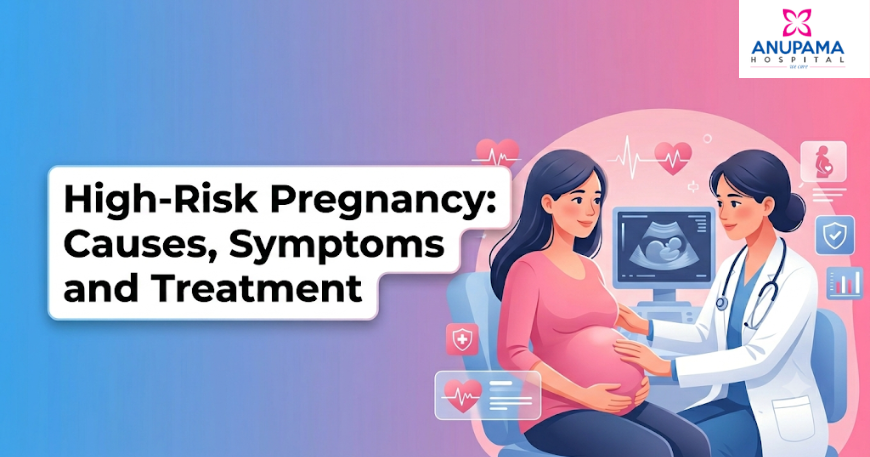
Pregnancy is one of the most significant journeys in a woman’s life. While many pregnancies progress without major complications, some require additional medical attention due to increased health risks for the mother, baby, or both. Critical Care Department These pregnancies are known as high-risk pregnancies and require specialized monitoring, early diagnosis, and expert medical management.
At Anupama Hospital, we provide comprehensive healthcare services supported by experienced specialists and advanced medical facilities. Along with pregnancy-related care, our hospital offers expert services in General Medicine, Critical Care, Paediatrics, Pulmonology, Psychiatry, Gastroenterology, and Neurology, ensuring complete healthcare support for mothers and families.
What is A High-Risk Pregnancy?
A high-risk pregnancy is a pregnancy in which the mother, baby, or both face an increased chance of health complications before, during, or after delivery. These risks may arise due to pre-existing medical conditions, pregnancy-related complications, lifestyle factors, or maternal age.
Being diagnosed with a high-risk pregnancy does not necessarily mean serious problems will occur. However, it does indicate the need for closer monitoring and specialized medical care throughout the pregnancy.
Regular prenatal checkups, diagnostic testing, and adherence to medical advice can significantly reduce risks and improve maternal and fetal health.
Common Causes Of High-Risk Pregnancy
Understanding the causes is the first step in managing High-Risk Pregnancy: Causes, Symptoms And Treatment effectively.
Maternal Age
Women younger than 17 years or older than 35 years may face increased pregnancy-related risks. General Medicine Services Advanced maternal age can raise the likelihood of conditions such as gestational diabetes, high blood pressure, and chromosomal abnormalities.
Pre-Existing Medical Conditions
Certain health conditions present before pregnancy can increase complications.
These include:
- Diabetes
- Hypertension
- Heart disease
- Kidney disorders
- Thyroid problems
- Autoimmune diseases
Proper management of these conditions is essential for maintaining a healthy pregnancy.
Multiple Pregnancy
Carrying twins, triplets, or more increases the risk of complications such as preterm birth, low birth weight, and pregnancy-induced hypertension.
Previous Pregnancy Complications
Women who have experienced complications in earlier pregnancies may have a higher risk of recurrence.
Examples include:
- Premature birth
- Recurrent miscarriages
- Preeclampsia
- Cesarean deliveries
- Stillbirth history
Lifestyle Factors
Certain habits and environmental factors can contribute to a high-risk pregnancy.
These include:
- Smoking
- Alcohol consumption
- Drug use
- Poor nutrition
- Excessive stress
- Obesity
Maintaining a healthy lifestyle before and during pregnancy helps reduce potential risks.
Symptoms Of A High-Risk Pregnancy
Recognizing warning signs early is crucial for effective treatment and prevention of complications.
Women should seek immediate medical attention if they experience any of the following symptoms:
Severe Abdominal Pain
Persistent or severe abdominal pain may indicate pregnancy complications requiring urgent evaluation.
Heavy Vaginal Bleeding
Bleeding during pregnancy should never be ignored, especially when accompanied by pain or dizziness.
Severe Headaches
Frequent or intense headaches may be associated with high blood pressure or preeclampsia.
Blurred Vision
Vision changes such as blurred vision, flashing lights, or sensitivity to light may signal pregnancy-related complications.
Swelling Of Hands And Face
Sudden swelling may indicate elevated blood pressure and requires prompt medical assessment.
Reduced Fetal Movement
A noticeable decrease in the baby’s movements should always be reported to a healthcare provider.
Persistent Vomiting
Excessive nausea and vomiting can lead to dehydration and nutritional deficiencies.
Breathing Difficulties
Shortness of breath or chest discomfort may require immediate medical evaluation.
Understanding these symptoms is an important part of managing High-Risk Pregnancy: Causes, Symptoms And Treatment successfully.
Risk Factors Associated With High-Risk Pregnancy
Certain factors increase the likelihood of a pregnancy being classified as high-risk.
These include:
- Age over 35 years
- Teenage pregnancy
- Obesity
- High blood pressure
- Diabetes
- Multiple gestation
- Family history of pregnancy complications
- Previous pregnancy issues
- Chronic illnesses
Women with one or more risk factors should consult healthcare providers early in pregnancy to establish appropriate monitoring plans.
Diagnosis And Monitoring Of High-Risk Pregnancy
Early diagnosis is one of the most important aspects of High-Risk Pregnancy: Causes, Symptoms And Treatment.
At Anupama Hospital, healthcare professionals use advanced diagnostic tools and regular prenatal assessments to monitor maternal and fetal health.
Prenatal Checkups
Routine prenatal visits help doctors track the progress of pregnancy and identify potential concerns early.
Ultrasound Examinations
Ultrasounds provide detailed information about fetal growth, development, and overall well-being.
Blood Tests
Blood tests help detect conditions such as anemia, infections, gestational diabetes, and hormonal imbalances.
Fetal Monitoring
Specialized monitoring techniques assess fetal heart rate and movement patterns to ensure the baby remains healthy.
Blood Pressure Monitoring
Regular blood pressure checks help identify pregnancy-related hypertension and preeclampsia.
Timely diagnosis allows healthcare providers to intervene early and minimize potential complications.
Treatment Options For High-Risk Pregnancy
The treatment approach depends on the specific risk factors and underlying causes affecting the pregnancy.
Specialized Prenatal Care
Women with high-risk pregnancies typically require more frequent prenatal visits and monitoring.
Medication Management
Certain conditions may require medications to control blood pressure, blood sugar levels, infections, or other medical concerns.
Nutritional Counseling
A balanced diet plays a critical role in maternal and fetal health. Healthcare providers may recommend personalized nutritional plans to support pregnancy.
Lifestyle Modifications
Doctors often advise:
- Regular physical activity when appropriate
- Adequate rest
- Stress management
- Avoidance of harmful substances
Hospital-Based Monitoring
In some cases, hospitalization may be necessary to closely monitor maternal and fetal health during advanced stages of pregnancy.
Delivery Planning
High-risk pregnancies often require carefully planned deliveries to ensure the safety of both mother and baby.
Specialists evaluate the most appropriate timing and method of delivery based on individual circumstances.
How Anupama Hospital Supports High-Risk Pregnancy Care
At Anupama Hospital, we believe every mother deserves personalized care throughout her pregnancy journey.
Our multidisciplinary healthcare approach allows us to manage complex pregnancies with the support of multiple specialties.
General Medicine
Supports the management of chronic health conditions affecting pregnancy.
Critical Care
Provides advanced medical support for severe pregnancy-related emergencies.
Paediatrics
Ensures specialized newborn care when additional support is required after delivery.
Pulmonology
Assists mothers experiencing respiratory complications during pregnancy.
Psychiatry
Offers emotional and mental health support during high-risk pregnancies.
Gastroenterology
Helps manage digestive disorders that may affect maternal health.
Neurology
Provides expert evaluation for neurological symptoms and pregnancy-related complications.
This integrated healthcare model ensures comprehensive care throughout pregnancy and beyond.
Tips For Managing A High-Risk Pregnancy
Women diagnosed with high-risk pregnancies can improve outcomes by following certain precautions:
- Attend all prenatal appointments
- Follow medical advice carefully
- Maintain a nutritious diet
- Stay physically active as recommended
- Monitor symptoms closely
- Avoid smoking and alcohol
- Get adequate sleep
- Manage stress effectively
- Take prescribed medications regularly
Proactive healthcare management significantly contributes to safer pregnancies and healthier deliveries..
Why Early Medical Care Matters
One of the most important lessons in understanding High-Risk Pregnancy: Causes, Symptoms And Treatment is the value of early intervention. Prompt diagnosis, continuous monitoring, and specialized care help reduce complications and improve outcomes for both mother and baby.
Regular communication with healthcare providers ensures that concerns are addressed quickly and treatment plans remain effective throughout pregnancy.
Conclusion
If you are experiencing pregnancy-related complications or have been diagnosed with a high-risk pregnancy, trust the experienced healthcare team at Anupama Hospital for comprehensive medical care and expert guidance.
Contact Anupama Hospital Today To Schedule A Consultation And Receive Expert Care For High-Risk Pregnancy Management And Maternal Health Support.