
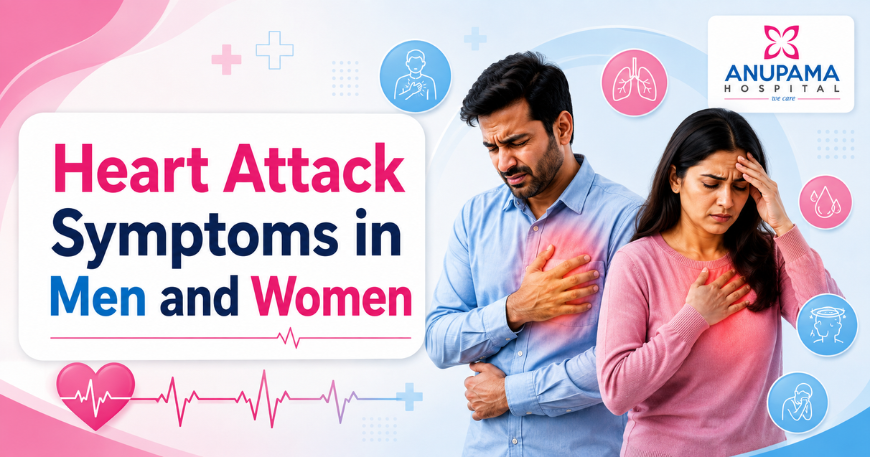
Heart disease remains one of the leading causes of death worldwide, and recognizing the warning signs early can make the difference between life and death. Emergency Medicine Care: While many people associate a heart attack with the classic image of sudden, crushing chest pain, the reality is far more nuanced. Heart Attack Symptoms in Men and Women often differ significantly, and understanding these differences is essential for timely diagnosis and treatment.
At Anupama Hospital, our cardiac care team frequently sees patients who delayed seeking help because their symptoms didn’t match the “typical” heart attack they expected. This page explores how heart attack symptoms present differently across genders, common warning signs, risk factors, and why immediate medical attention is critical.
Understanding a Heart Attack
A heart attack, medically known as a myocardial infarction, occurs when blood flow to a part of the heart muscle is blocked, usually due to a buildup of fat, cholesterol, and other substances forming a plaque in the coronary arteries. When this blood flow is cut off, the heart muscle begins to suffer damage or die from lack of oxygen. The longer treatment is delayed, the greater the damage to the heart.
While the underlying mechanism is the same for everyone, symptoms can vary considerably between men and women, which is why understanding these differences matters for early detection.
Heart Attack Symptoms in Men
Men typically experience the more “classic” symptoms of a heart attack, which are often portrayed in media and general health education. These include:
- Intense chest pain or pressure, often described as a feeling of tightness, squeezing, or heaviness
- Pain radiating to the left arm, shoulder, jaw, or back
- Shortness of breath, particularly during exertion or at rest
- Cold sweats and clamminess
- Nausea or lightheadedness
- A sense of impending doom or severe anxiety
Because these symptoms are widely recognized, men often seek emergency care more promptly when they experience them. However, some men also report atypical symptoms, such as fatigue or indigestion-like discomfort, which can still be mistaken for less serious conditions.
If you or a loved one experience any combination of these symptoms, don’t wait. Our Cardiology Department at Anupama Hospital is equipped with advanced diagnostic tools to evaluate cardiac symptoms quickly and accurately.
Heart Attack Symptoms in Women
One of the most critical distinctions in Heart Attack Symptoms in Men and Women is that women are far more likely to experience subtler, less “classic” symptoms, which often leads to delayed diagnosis and treatment. Women may not experience the intense chest pain typically associated with heart attacks at all. Instead, common symptoms in women include:
- Unusual fatigue that can last for days
- Shortness of breath without chest discomfort
- Nausea, vomiting, or indigestion-like discomfort
- Pain or discomfort in the back, neck, or jaw rather than the chest
- Lightheadedness or dizziness
- Cold sweats
- Sleep disturbances in the days leading up to the event
Because these symptoms overlap with common, less serious conditions such as acid reflux, anxiety, or the flu, women often delay seeking medical attention, sometimes with serious consequences. Heart Attack Symptoms in Men and Women. Studies have consistently shown that women experience worse outcomes after a heart attack partly due to this delay in recognition and treatment.
Women who notice persistent or unusual combinations of these symptoms, especially if they have risk factors such as diabetes, high blood pressure, or a family history of heart disease, should consult a cardiologist promptly. Our Women’s Heart Health Program at Anupama Hospital is specifically designed to address the unique cardiac risks and symptom patterns women face.
Why Do Symptoms Differ Between Men and Women?
The differences in heart attack symptoms between men and Women stem from several physiological and biological factors:
1. Differences in Artery Involvement
Men more commonly experience blockages in the major coronary arteries, which produce the classic, intense chest pain pattern. Women, on the other hand, are more prone to blockages in smaller arteries, a condition sometimes called microvascular disease, which produces more diffuse and less localized symptoms.
2. Hormonal Influences
Estrogen is believed to offer some protective effect against heart disease in pre-menopausal women, which is why women often experience heart attacks at a later age than men. Heart Attack Symptoms in Men and Women. However, this protection diminishes after menopause, and post-menopausal women face a sharply increased risk.
3. Pain Perception and Reporting
Research suggests that women may process and report pain differently than men, which can contribute to the tendency to describe heart attack symptoms in terms of pressure, fatigue, or discomfort rather than sharp, localized pain.
4. Underdiagnosis and Delayed Treatment
Because women’s symptoms are often atypical, they are more likely to be misdiagnosed in emergency settings, leading to delays in critical treatments like angioplasty or clot-busting medication.
Common Risk Factors for Heart Attacks
Regardless of gender, several risk factors increase the likelihood of experiencing a heart attack:
- High blood pressure (hypertension)
- High cholesterol levels
- Diabetes and insulin resistance
- Smoking and tobacco use
- Obesity and sedentary lifestyle
- Family history of heart disease
- Chronic stress
- Excessive alcohol consumption
Identifying and managing these risk factors through regular health screenings, lifestyle modifications, and medical guidance can significantly reduce the risk of a cardiac event. For a comprehensive evaluation of your cardiac risk profile, explore our General Heart Health Checkup packages designed to catch warning signs before they become emergencies.
When to Seek Emergency Care
Recognizing Heart Attack Symptoms in Men and Women is only useful if it prompts immediate action. Heart Attack Symptoms in Men and Women.If you or someone nearby experiences any of the following, seek emergency medical attention immediately:
- Chest pain, pressure, or discomfort lasting more than a few minutes
- Pain spreading to the arm, jaw, neck, or back
- Sudden shortness of breath
- Unexplained sweating, nausea, or lightheadedness
- Sudden, severe fatigue with no clear cause
Time is muscle when it comes to heart attacks – every minute of delay increases the risk of permanent heart damage. Do not wait to see if symptoms improve on their own, and never attempt to drive yourself to the hospital if you suspect a heart attack.
Why Choose Anupama Hospital for Cardiac Care
At Anupama Hospital, we understand that timely diagnosis and treatment save lives. Our cardiac care team is equipped to identify both classic and atypical heart attack symptoms across all patients, ensuring no one falls through the gaps due to gender-based symptom differences.
Here’s what makes our cardiac care stand apart:
- 24/7 emergency cardiac care and rapid response protocols
- Advanced diagnostic imaging, including ECG, echocardiography, and angiography
- Experienced cardiologists specializing in gender-specific heart health
- Comprehensive preventive screening and risk assessment programs
- Dedicated post-cardiac event rehabilitation and follow-up care
We are committed to ensuring that every patient, regardless of gender, receives prompt, accurate, and compassionate cardiac care when it matters most.
Conclusion
Contact Anupama Hospital today to book a consultation with our cardiology specialists and take a proactive step toward protecting your heart health.
If you or a family member are experiencing symptoms of concern, or if you’d like to schedule a preventive cardiac health screening, the expert team at Anupama Hospital is here to help.